

A child’s dental visit can look pretty simple from the outside. A quick check, a little clean, a reminder about brushing before bed. But for most parents, it feels like a lot more than that. You might be wondering whether a baby tooth looks right, why the gums bleed, whether thumb sucking is still fine at this age, or why your kid suddenly says one side hurts when they chew.
That’s where children’s dentistry really makes a difference. Parents aren’t chasing fancy dental terms, they just want straight answers, a gentle hand with their kids and explanations in plain English that actually make sense.
The Role of a Paediatric Dentist in Children’s Oral Health
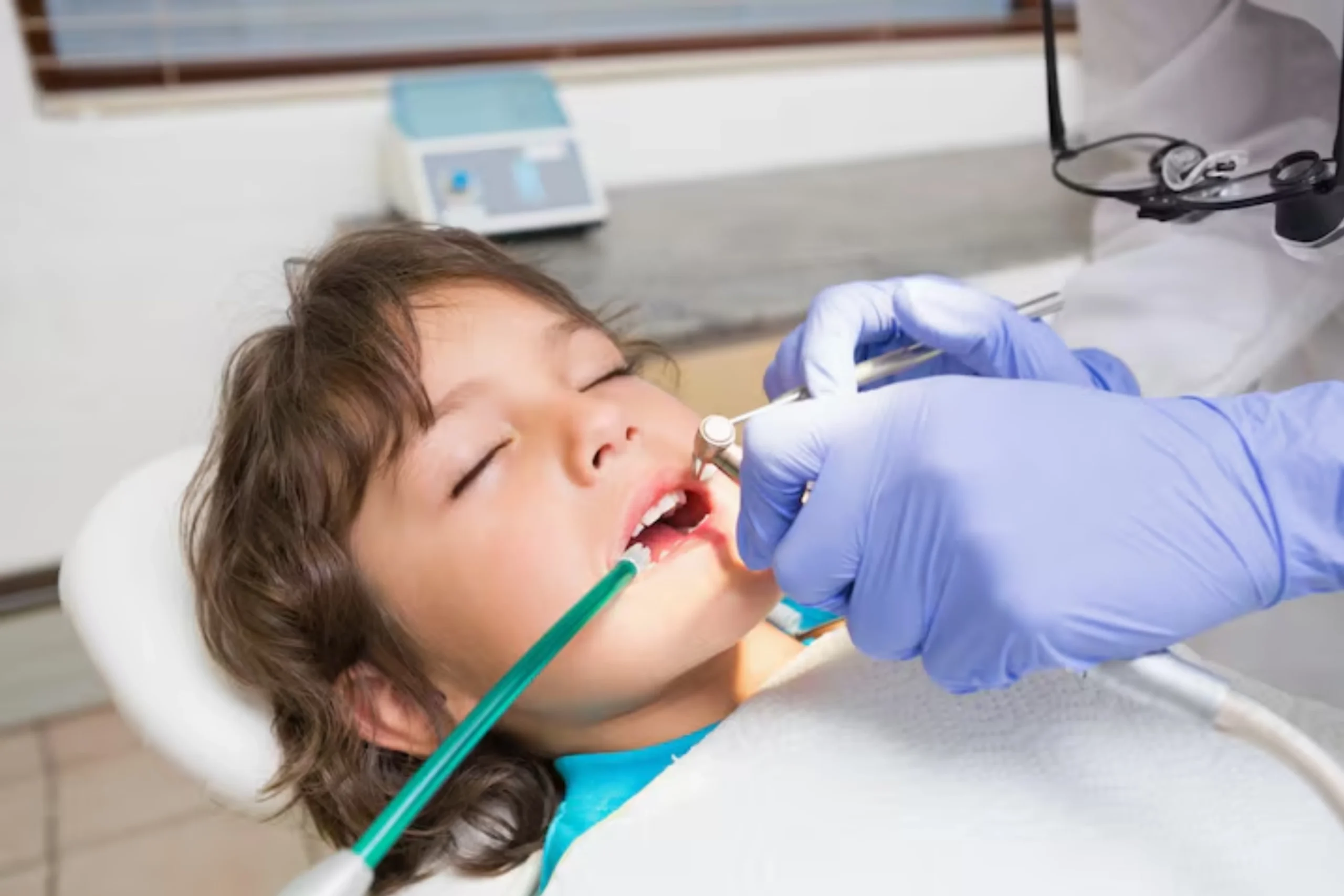
A paediatric dentist looks after the dental needs of babies, kids and teenagers. That means teeth, gums, jaw growth, bite changes and the daily habits that shape a child’s mouth over time.
The work isn’t only about fixing cavities. A big part of it is helping children get comfortable with dental care without dread. A toddler needs patience. A school-aged kid needs simple brushing tips. A teenager might need a hand with sports mouthguards, braces, or cutting back on the soft drinks and snacks that chew through enamel. At the end of the day, it’s treatment and trust, hand in hand.
Overall Responsibility of a Paediatric Dentist
A paediatric dentist is responsible for monitoring a child’s oral health from early development through to teenage years. This includes teeth, gums, jaw growth and bite alignment. The focus is on prevention as much as treatment, helping children avoid long-term dental issues.
Guidance for Different Age Groups
Each stage of childhood requires different dental support. Toddlers need a gentle introduction to brushing, school children need routine habits reinforced and teenagers may need advice on braces, sports protection and diet choices that affect enamel.
What to Expect During Your Child’s Dental Appointment
Most children’s dental visits start slowly and that’s deliberate. The dentist will usually have a chat with your child first, hear what you’ve noticed at home, then check the teeth, gums, bite and jaw. If your child is nervous, the appointment doesn’t need to be rushed. A calm start genuinely makes future visits easier for everyone.
A visit will typically cover a tooth and gum check, gentle cleaning where it’s needed, fluoride advice or treatment, decay risk checks, a tooth eruption review and brushing tips suited to your child’s age.
How Early Dental Checks Prevent Bigger Problems
Kids’ teeth change quickly and so do their habits. A child who snacks often, brushes too fast, sleeps with their mouth open or grinds at night needs different guidance than an adult in the same dental chair. Baby teeth matter more than people realise. They hold space for adult teeth and losing them too early can create crowding problems later on.
Tooth eruption, bite development and brushing habits are all worth watching from an early age because small changes now prevent bigger issues down the track. This is why paediatric dental care isn’t just a treatment question. It’s about keeping an eye on how the mouth is growing and making sure parents know what’s normal and what isn’t.
Importance of Baby Teeth
Baby teeth play a crucial role in guiding permanent teeth into the correct position. Losing them too early can lead to spacing and alignment issues. They are essential for proper chewing and speech development as well.
Monitoring Growth and Development
Regular dental checks allow dentists to track jaw growth, tooth eruption and bite changes. Early observation helps identify potential orthodontic concerns before they become more complex.
Preventing Long-Term Dental Issues
Early habits and small corrections can prevent more serious dental problems later in life. Consistent monitoring ensures children develop healthy oral habits that last into adulthood.
Dental Warning Signs in Children That Should Not Be Ignored
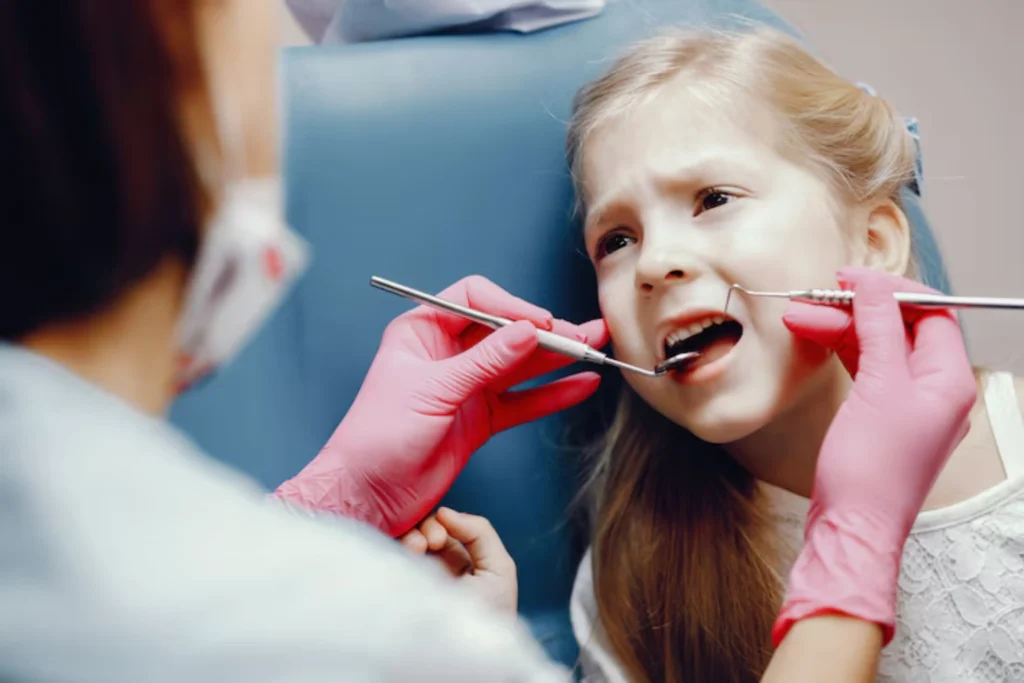
Some concerns can wait for a routine check-up. Others really shouldn’t. If pain, swelling, injury or bleeding is involved, it’s worth getting it checked sooner rather than delaying care.
Book earlier if your child has tooth pain that won’t settle, swelling near the gum or face, a chipped or knocked tooth, a dark spot that seems to be growing, bleeding gums during brushing, trouble chewing on one side or a loose adult tooth after a fall. Children’s dental care can help when you’re not sure whether something is minor or needs a proper look fairly quickly.
Changes in Teeth or Gums
Dark spots, bleeding gums or visible changes in tooth colour can be early signs of decay or gum issues. Early assessment helps prevent worsening conditions.
Chewing and Functional Difficulties
Difficulty chewing or favouring one side of the mouth may indicate underlying dental concerns. These signs should be reviewed during a dental visit.
Managing Dental Anxiety in Children
Children pick up on things adults barely notice. The chair moves. The light is bright. The tools make noise. They might also be carrying a sibling’s story, a friend’s bad experience or a parent’s own nerves about dental visits.
Good children’s dentistry works with that fear instead of ploughing through it. The dentist explains what’s going to happen before it happens. Simple words. Breaks when needed. Time to settle in.
For children who need a bit of extra support during treatment, happy gas dentistry can help them stay calm while still being awake and responsive throughout.
What Parents Can Do Between Dental Visits
A paediatric dentist handles the clinic side of things, but the real routine gets built at home. Keeping brushing consistent, limiting sweet drinks and keeping an eye on how well younger kids clean their back teeth makes a genuine difference. Most kids brush the front teeth in two seconds flat and completely miss the spots that collect the most food.
It’s also worth noting small changes between visits. White patches, dark marks, sore gums, mouth breathing, grinding and delayed tooth eruption are all things worth mentioning when you come in next.
Paediatric Dental Care at Twilight Dental
Paediatric dentists support children through their first visits, regular check-ups, cleans, fillings and comfort-focused care. The team can also help parents understand Child Dental Benefits Schedule eligibility, so there are no surprises before the appointment.
Children’s dental health stays connected to family dental care here, which makes things easier when siblings need appointments at the same time or parents have their own questions on the day.