
If you are considering improving the appearance of your smile, dental veneers are a treatment worth understanding carefully before making a decision. Veneers can enhance the shape, colour and overall appearance of the front teeth while preserving much of the natural tooth structure. However, they are not simply a quick cosmetic option. Veneer treatment requires proper assessment, planning and discussion, as it may involve changes to the natural enamel and can influence future dental care.
Understanding both the benefits and considerations will help you make an informed choice about whether veneers are the right option for your smile.
Veneers Pros and Cons for Cosmetic Dental Improvements
Veneers are thin covers placed over the front surface of selected teeth, mostly used for cosmetic changes rather than major structural repair. A dentist might suggest them for deep staining that whitening can’t shift, small chips, minor gaps, uneven edges, or teeth that look a bit different in size compared to the rest. Understanding the pros and cons of veneers can help you decide if this cosmetic solution is right for your smile.
What they don’t do is move teeth like dental braces. They won’t fix a bad bite either, and when a tooth is badly broken or has a large filling, a veneer isn’t always the right call.
How Porcelain Veneers Can Improve Your Smile
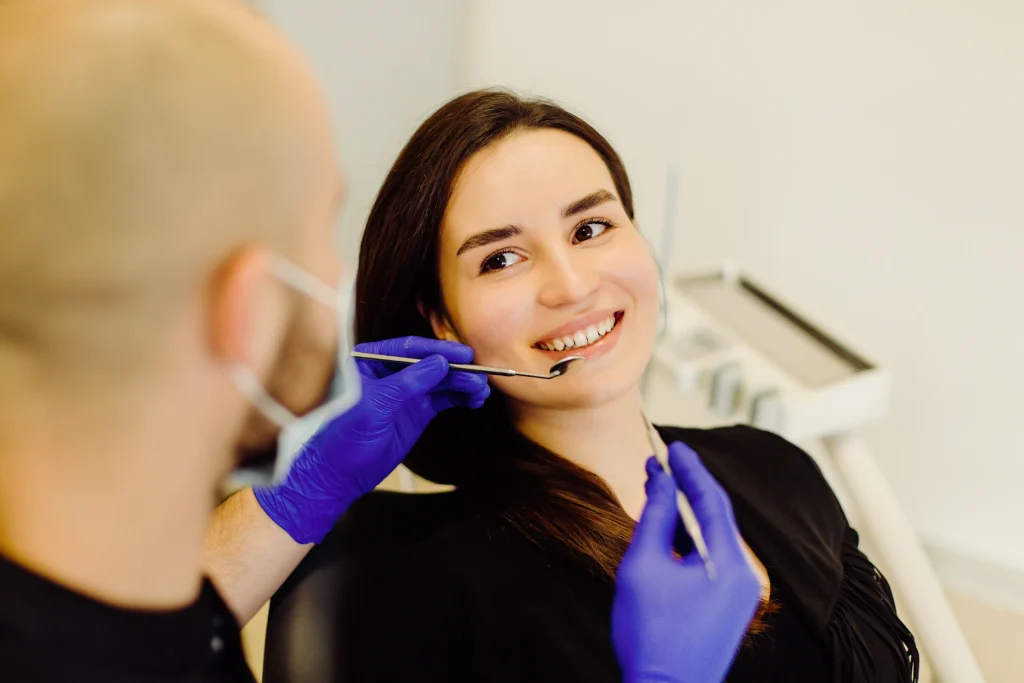
For the right patient, veneers can make a real difference. They can even out the shape, colour and size of teeth in a way that looks natural and suits your face, your lips and the teeth around them. For people who’ve already tried whitening but still see dark staining underneath, porcelain can cover what bleaching simply can’t reach.
Common benefits include a more even smile line, better colour for teeth that don’t respond well to whitening, coverage for small chips or worn edges and solid stain resistance with porcelain veneers. But when it comes to dental veneers, the most useful conversation isn’t just about the final look. It’s about whether the teeth underneath are actually healthy enough for treatment.
A More Even Smile Line and Natural Shape
Veneers can help create a more balanced and even smile by improving the shape and alignment of front teeth. This is particularly useful when teeth naturally vary in size or have minor irregularities. The goal is always a natural-looking result that blends with your overall facial features.
Colour Correction and Stain Resistance
Porcelain veneers are often used when teeth whitening is not effective for deeper internal staining. They provide a consistent, natural shade while also offering strong resistance to future staining. This makes them a reliable option for long-term cosmetic improvement in suitable cases.
Repairing Chips, Wear and Minor Damage
They are commonly used to restore teeth with small chips, worn edges or minor surface damage. Veneers provide a smooth, even finish that improves both appearance and confidence. This approach is typically chosen when structural damage is minor and the tooth is otherwise healthy.
What You Need to Know Before Getting Veneers
Here’s where people sometimes get caught out: veneers are a long-term commitment. Porcelain veneers usually require a thin layer of enamel to be removed from the front of the tooth. Once that’s done, the tooth will likely need a veneer or some other restoration going forward. That’s not a reason to avoid them, but it is something you need to understand before you agree to anything.
Some patients may notice sensitivity after tooth preparation. Veneers can also chip or come loose over time and the natural tooth underneath the veneer still needs proper care. Regular brushing, flossing and dental check-ups remain just as important. If a chip does occur, avoid trying to fix it yourself and book an appointment with your dentist for proper assessment and repair.
Factors Your Dentist Will Assess Before Recommending Veneers
There are situations where veneers just aren’t the right starting point. Active gum disease should be treated before any cosmetic work is considered. If you’re a heavy grinder, bite protection usually comes first. Teeth with large fillings, significant cracks, or deeper damage may require a different approach.
Understanding dental veneers teeth pros and cons helps patients and dentists decide when veneers are suitable and when another solution, like dental crowns, may be a better choice. Crowns cover more of the tooth and offer stronger protection when structural integrity is the concern but that doesn’t mean they’re always the better option. The condition of the tooth should guide the decision, not the other way around.
How Veneers Pros and Cons Affect Sensitivity and Maintenance
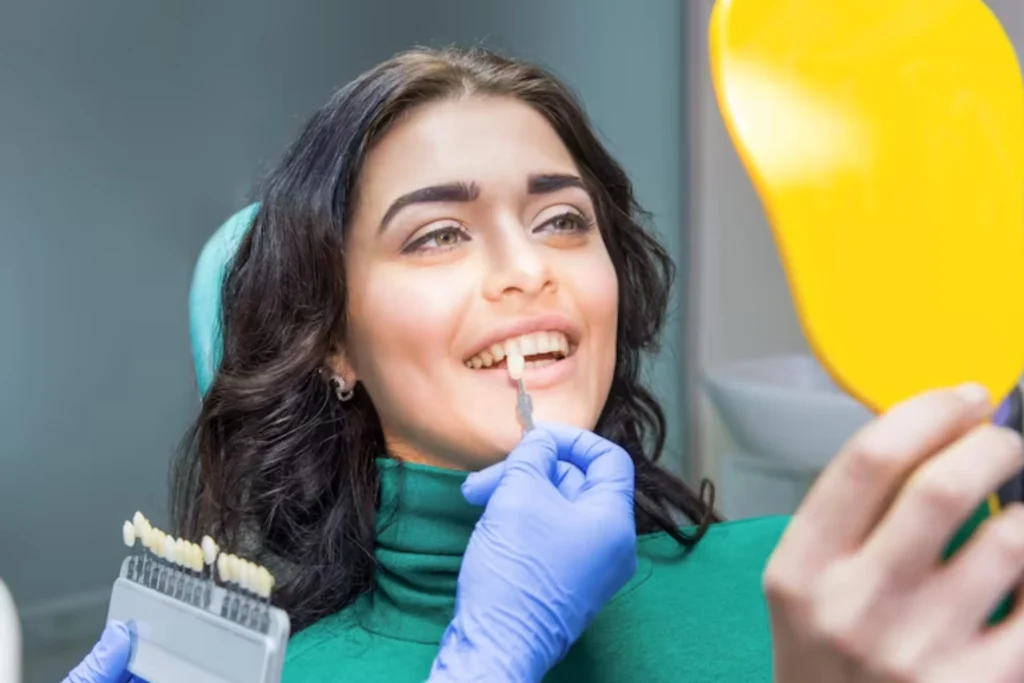
Whether veneers are worth it really comes down to fit. For the right patient, they can genuinely improve colour, shape and confidence in a way that looks natural and lasts. For the wrong tooth, they can create unnecessary sensitivity, extra cost and future maintenance you didn’t plan for.
That’s exactly why proper planning matters before any tooth is prepared. Our team assesses tooth health, bite, gum condition and your smile goals before making a recommendation. Veneers are considered as part of your broader dental health, not as a separate cosmetic decision bolted on at the end.
Sensitivity After Treatment
Some patients may experience temporary sensitivity after veneer preparation, especially to hot or cold foods and drinks. This is usually mild and settles over time, but it is something your dentist will monitor during follow-up care in a professional setting.
Maintenance and Aftercare
Veneers still require proper oral hygiene, including regular brushing, flossing and dental check-ups. While they are durable, they are not maintenance-free and should be treated with the same care as natural teeth to ensure long-term success.
Bottom Line
The best next step isn’t guessing from photos online or comparing before-and-after shots on social media. It’s a proper dental assessment where someone can actually look at your teeth and give you a straight answer.
Book a consultation with Twilight Dental to find out whether veneers are suitable for you, understand the trade-offs in plain language and choose a smile change that still respects the health of what’s underneath.