
Invisalign pricing in Australia varies considerably between practices, with quotes for similar treatment ranging from approximately $3,500 to more than $9,000. For many Ipswich families, this makes it difficult to determine what represents a fair and appropriate fee. The final cost often reflects treatment complexity, the number of aligners required and the level of clinical supervision included. A detailed consultation can therefore provide a clearer picture of what the quoted fee covers and whether it suits the individual treatment plan.
Cost is only one part of the decision, however. Patients asking are invisible braces effective may also want to understand the clinical outcomes of clear aligner treatment before comparing fees. Understanding the cost of Invisalign in Australia therefore requires a closer look at what affects pricing and what a reliable treatment quote should include.
What Affects the Cost of Invisalign in Australia?
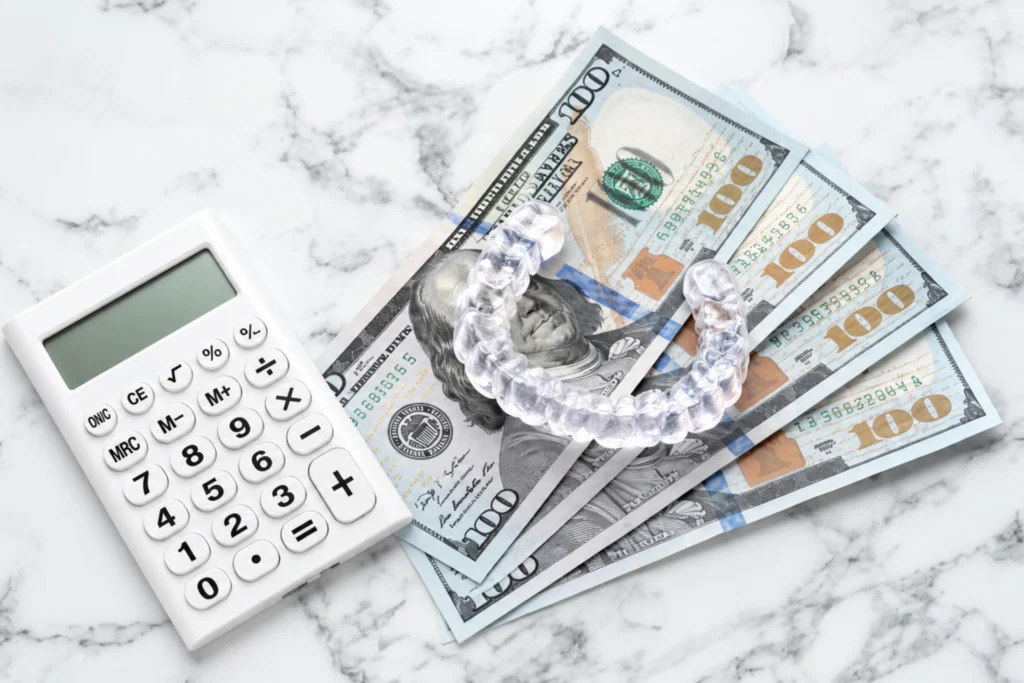
Each aligner is custom manufactured from a 3D scan, so the fee reflects the clinical work required rather than a fixed retail price.
How Case Complexity Affects Invisalign Cost
Mild crowding of the front teeth usually requires fewer aligners than a full bite correction. Rotations, crossbites and deep overbites often fall into a higher fee tier because an aligner fix overbite plan typically involves more aligner stages and a longer treatment timeframe.
Does Clinic Location Affect Invisalign Cost
Brisbane CBD clinics often charge more than suburban practices due to higher operating costs, although the aligner system remains the same.
What May Be Missing From an Advertised Invisalign Price?
Many advertised “from” prices exclude scans, refinements or retainers, so two quotes may differ by several thousand dollars largely due to their inclusions. Fees for lost aligners and replacement retainers should also be clarified.
How Much Do Invisaligns Cost in Australia in 2026?
When patients ask “how much are Invisalign in Australia?”, the answer depends largely on case complexity. Most Australian practices quote between $4,500 and $9,000 for a full course, with simpler cases starting lower and complex cases exceeding this range.
| Case Type | Common Concerns | Typical Cost (AUD) | Rough Timeframe |
| Mild | Small gaps, minor crowding | $3,500 to $5,500 | Around 6 months |
| Moderate | Crowding across the arch, light bite issues | $6,000 to $7,500 | About 12 months |
| Complex | Overbites, crossbites, major rotations | $7,500 to $9,000+ | 18 months or longer |
Teen treatment plans commonly range from $6,500 to $9,000. These figures are general estimates only and an accurate fee requires a clinical examination.
What Should an Invisalign Quote Include?

A comprehensive quote should clearly outline each stage of treatment, including:
- Initial consultation, X-rays and 3D scan
- All aligner sets within the treatment plan
- Attachments and scheduled review appointments
- Refinement stages where further adjustment is required
- Retainers following the completion of treatment
Consultation fees also vary, ranging from complimentary to approximately $250. Retainers warrant particular attention, as they maintain the final position of the teeth.
Does Private Health Insurance Cover Invisalign?
Private health insurance may contribute towards treatment for some patients. Medicare and the Child Dental Benefits Schedule do not cover orthodontic treatment, so any rebate depends on private extras cover. Before proceeding, patients should confirm:
- Whether the extras policy includes orthodontics, typically at mid or top tier
- Any applicable waiting period, which is commonly 12 months
- The lifetime limit, often between approximately $1,000 and $3,500
- That lifetime limits do not reset after changing funds
- The expected rebate, based on a written estimate with the clinic’s item numbers
As some funds reset annual limits each calendar year, treatment spanning two years may allow claims in both periods within the lifetime cap. Many practices also offer payment plans, although interest and fees vary between providers.
Risks of Choosing Low-Cost Invisalign Treatment
A lower initial fee does not always reduce overall costs. Mail-order aligner providers do not conduct in-person examinations, so decay or gum disease may progress undetected and tooth movement may go unmonitored.
Consistent wear is equally important, as aligners generally need to be worn for 20 to 22 hours each day. Reduced wear can extend treatment and correcting an unsuccessful attempt may require a new course at close to the full fee, often without any remaining health fund rebate.
Why a Dental Assessment Matters Before Invisalign
Successful aligner treatment depends on healthy teeth and gums. A dentist will assess for decay, gum disease and enamel wear before any scan is taken, as addressing these concerns first supports more predictable results. The 3D scan then provides a digital preview of the planned tooth movement, showing patients what the proposed fee covers.
A thorough assessment also considers whether aligners are the most appropriate option. Some bite concerns respond more effectively to dental braces and for moderate cases, Invisalign is often comparable in cost or up to approximately $1,000 more. Regular reviews throughout treatment allow tracking issues to be identified early, before additional refinements become necessary.
Conclusion
The cost of Invisalign in Australia is ultimately shaped by case complexity, the inclusions within each quote and the level of aftercare provided. Twilight Dental Brassall begins every aligner consultation with a comprehensive assessment of the teeth and gums, followed by a clear explanation of treatment suitability and the complete fee. Check-ups, cleans and any fillings required beforehand are also provided at the practice, ensuring continuity of care throughout treatment.