

A dental cleaning appointment is often something people intend to schedule but continue pushing back by a few months. When there is no pain or obvious concern, delaying the visit can feel harmless. However, by the time discomfort appears, the underlying issue has often been developing quietly for some time.
This delay usually comes from a lack of awareness rather than neglect. Many people underestimate the role routine cleaning plays in maintaining oral health beyond simply removing plaque and tartar. A professional cleaning every six months helps identify early concerns, protect gum health and address areas that daily brushing alone cannot manage, highlighting the importance of dental cleaning.
Why Dental Cleaning Appointments Are Often Delayed
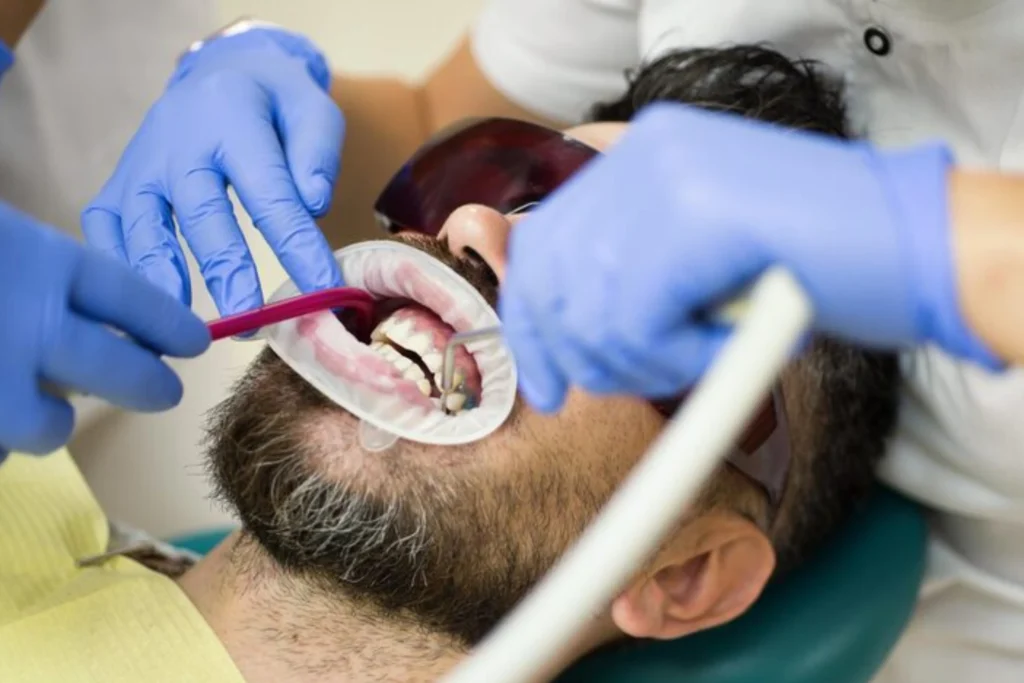
Busy schedules are one of the most common reasons people postpone dental appointments. When there are no visible signs of trouble, a cleaning can easily move down the priority list behind work commitments, family responsibilities and everyday tasks. The absence of pain often creates the impression that everything is fine. However, many dental issues develop gradually without noticeable symptoms in the early stages. This is why the importance of dental cleanings is often only recognised once discomfort or visible changes begin.
Cost concerns and anxiety about dental visits can also influence how regularly people attend appointments. Previous uncomfortable experiences may make some patients hesitant, but delaying care does not stop changes from occurring inside the mouth. In many cases, longer gaps between visits simply mean more attention is required later.
Recognising The Early Signs Of Gum Disease
Gum disease can be difficult to recognise because it often develops without causing significant pain. Unlike a toothache, which usually demands immediate attention, early gum problems can remain unnoticed for months or even years.
Some common early warning signs include:
- Gums that bleed slightly during brushing
- Mild bad breath that continues despite regular cleaning
- Slight swelling or redness around the gum line
- Increased tooth sensitivity
These symptoms may appear minor, but they can indicate changes in gum health that require professional assessment. Understanding these early signs helps patients seek advice before the condition becomes more difficult to manage.
What Happens During A Dental Cleaning
A professional dental teeth cleaning involves much more than polishing the surface of the teeth. During an appointment, a dental professional examines the teeth and gums, removes hardened plaque buildup through scaling, polishes the teeth and may apply fluoride treatment depending on individual needs.
The appointment also provides an opportunity to identify areas that need additional care. X-rays may be recommended periodically because some dental changes occur beneath the gum line and cannot be detected through a visual examination alone.
| Regular Cleaning | Deep Cleaning |
| Helps prevent problems from developing | Treats existing gum disease |
| Focuses above the gum line | Reaches above and below the gum line |
| Usually recommended every six months | Recommended when gum pockets become deeper |
| Includes scaling, polishing and fluoride treatment | Includes scaling and root planing, sometimes across multiple visits |
| Generally quick and comfortable | May require mild numbing for patient comfort |
What Is A Deep Dental Cleaning?
A dental cleaning deep enough to treat gum problems is different from a standard preventative appointment. Also known as scaling and root planing, this treatment focuses on areas beneath the gum line where regular brushing, flossing and routine cleaning cannot reach.
When gum pockets become deeper, bacteria can collect around the tooth roots and contribute to ongoing inflammation. A deep cleaning removes this buildup and smooths the root surfaces to support healthier gums. The procedure may be completed over two or more appointments, depending on the level of gum disease present. Local anaesthetic can also be used when required to ensure patient comfort during treatment.
What Occurs When Gum Disease Is Left Untreated?

Ignoring regular cleaning appointments does not usually create sudden problems. Instead, signs of poor oral health tend to develop gradually, which is why they can be easy to overlook.
Without appropriate care, untreated gum disease may lead to:
- Deeper gum pockets that collect more bacteria
- Gradual loss of supporting bone around teeth
- More complex and costly treatments
- Increased risk of loose teeth or tooth loss
- Persistent bad breath that becomes harder to control
- Long-term inflammation that has been linked with wider health concerns, including heart and blood sugar conditions
These outcomes develop over time rather than appearing immediately. This makes preventative appointments one of the simplest ways to protect long-term oral health, support gum disease treatment and avoid more complicated care in the future.
Why Is Professional Dental Cleaning Important?
Daily brushing and flossing are essential, but they cannot remove all plaque and tartar buildup, especially in difficult-to-reach areas. Dental professionals use specialised instruments to clean these areas safely while assessing the condition of the teeth and gums.
A trained hygienist can identify early signs of gum stress, decay or other concerns that may not be noticeable at home. Preventative dentistry always focuses on detecting these issues early, when they are generally easier to manage. Regular appointments also include checking for unusual changes within the mouth, cheeks and throat. These assessments provide an additional layer of protection that cannot be achieved through a home care routine alone.
Conclusion
Every dental cleaning appointment involves more than a simple polish. A complete assessment of the teeth and gums helps determine what care is required, whether that means a routine six-month visit or closer monitoring of early gum concerns.
Twilight Dental provides personalised dental teeth cleaning appointments for patients across Ipswich, Brassall and nearby suburbs. The team focuses on making each visit comfortable and clear, supporting nervous patients, families and young children with a calm approach throughout the process.