

Orthodontic treatment is one of the larger dental investments a family can make and for many Ipswich households, the initial quote can be difficult to interpret. Fees vary considerably between clinics, treatment types and the complexity of each case, which means two patients may receive very different estimates for what appears to be similar treatment.
Understanding how dental braces are priced, what is included in the quoted fee, which costs may sit outside the treatment plan and how private health cover applies can make the process much easier to manage. Having a clear breakdown from the beginning also helps families compare options properly, budget for ongoing appointments and avoid unexpected expenses later in treatment.
How Much Are Braces in Australia in 2026?
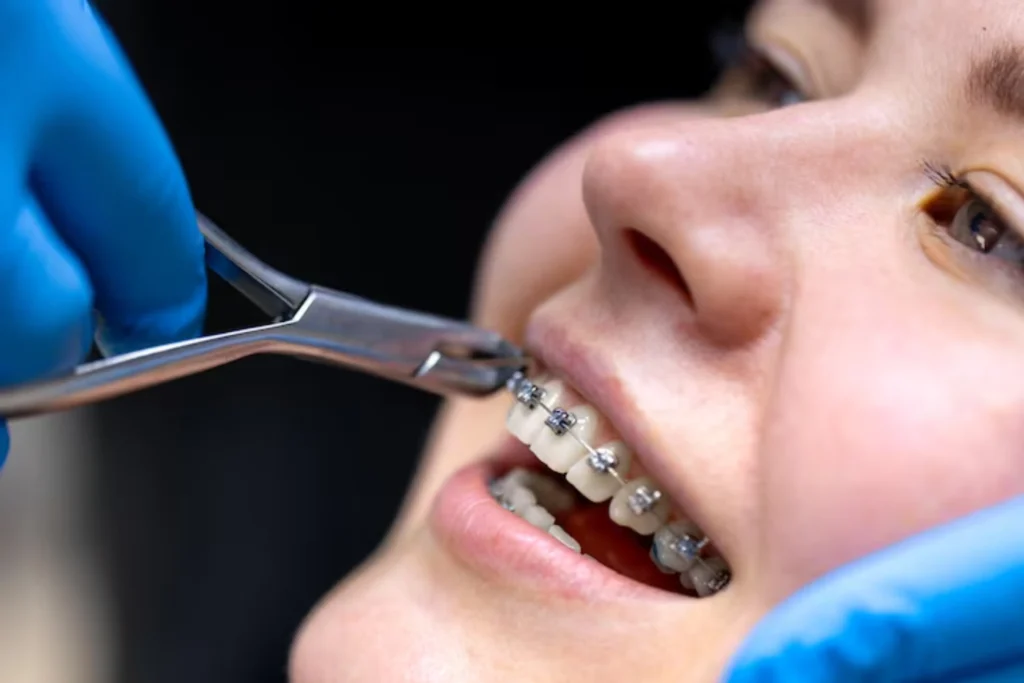
Traditional metal braces generally cost between $6,000 and $9,000 for a full course of treatment. For patients considering whether invisible braces effective options justify the additional cost, the final fee will depend on the bracket type and bite complexity, with most treatments ranging from $6,000 to $11,000.
Fees in Queensland tend to sit slightly below those in New South Wales and the ACT, with a state midpoint of approximately $7,280. For Ipswich families, choosing a local clinic can also reduce the need for regular travel to Brisbane for adjustment appointments over a treatment plan that may continue for two years or more.
| Type of Braces | Typical Full-Course Cost | Usually Suits |
| Metal braces | $6,000 to $9,000 | Crowding and complex bites |
| Ceramic braces | $7,000 to $11,000 | Patients wanting a subtler look |
| Lingual braces | $9,500 to $15,000 | Brackets hidden behind the teeth |
| Clear aligners | $3,500 to $9,000 | Mild to moderate cases |
These figures are indicative only. Ceramic braces generally cost 10 to 20 per cent more than metal braces and an accurate fee can only be confirmed after a clinical assessment.
What Affects the Cost of Braces in Australia?
Unlike a single procedure such as a filling, braces are usually priced as a comprehensive treatment package covering many months of care. As a result, the cost of braces in Australia depends on the clinical needs of each patient rather than a standard fee schedule.
The main factors include:
- Complexity: Severe crowding or a deep bite usually requires more treatment than closing a minor gap.
- Treatment duration: Most plans run for 12 to 24 months, with longer treatment generally involving more review appointments.
- Bracket material: Ceramic and lingual systems involve higher manufacturing and fitting costs.
- Number of arches: Treating one arch usually costs less than treating both.
For this reason, two patients of a similar age may receive quotes that differ by several thousand dollars, with both still reflecting a fair fee for the treatment required.
What Is Usually Included in a Braces Quote?
A lower headline price does not always mean better value, particularly if important stages of treatment are excluded from the quote.
What Is Usually Covered in the Treatment Fee?
A comprehensive package will usually cover the initial fitting, routine adjustment appointments, removal of the braces and the first set of retainers. Each stage should be clearly itemised in writing before treatment begins.
What Braces Costs May Be Charged Separately?
Further expenses may arise before, during or after treatment, including:
- Diagnostic records such as X-rays, scans and photographs
- Extractions where the jaw does not have enough space
- Repairs to damaged brackets or wires
- Replacement retainers, typically $150 to $500 each
- Hygiene appointments, as brackets can retain plaque more easily
Regular dental cleaning during treatment is especially important, as it helps reduce the risk of decay around the brackets and the additional restorative costs that may follow.
Medicare and Private Health Insurance Cover for Braces
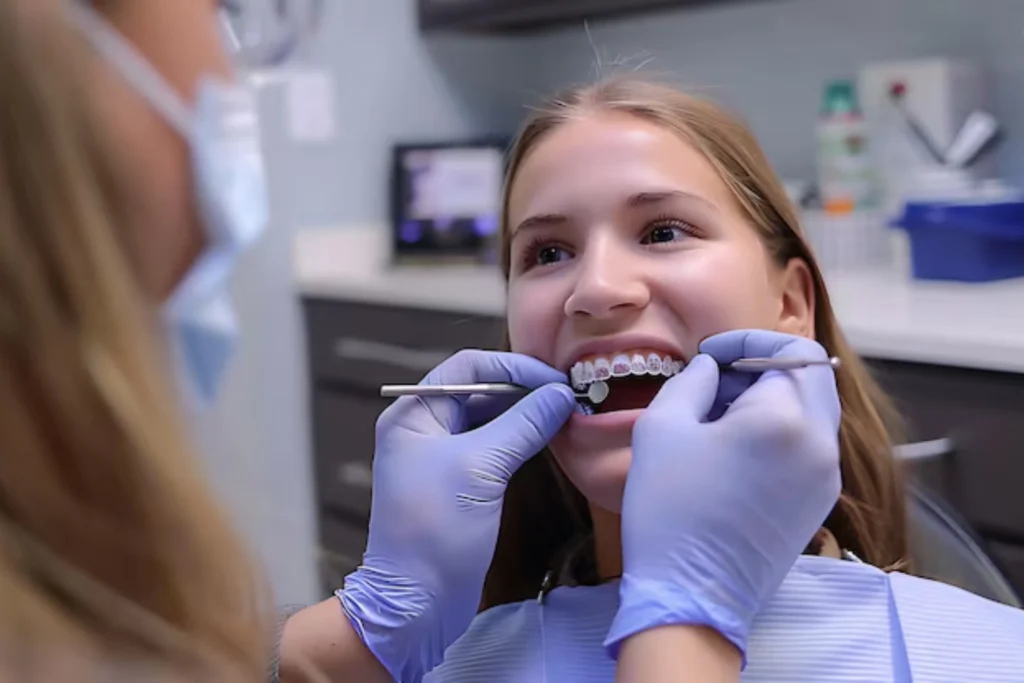
Medicare does not generally fund braces and orthodontic treatment is also excluded from the Child Dental Benefits Schedule. Private extras cover therefore remains the main source of financial assistance, although two conditions commonly apply.
The first is a 12-month waiting period before a fund contributes towards orthodontic treatment. Patients who take out cover after diagnosis will usually need to wait before making a claim. The second is a lifetime limit, commonly between $1,200 and $3,000 per person. Once that limit is reached, it does not reset. Benefits are also often paid in stages over the course of treatment rather than as a single payment.
To help manage the remaining balance, many clinics offer monthly payment arrangements, often in the range of $200 to $400.
How Delaying Braces Can Increase Treatment Costs
Delaying treatment may appear to save money in the short term, but it can lead to higher costs later. Crowded teeth are harder to clean effectively, which can increase the risk of decay and gum disease. An uneven bite may also contribute to irregular enamel wear and strain on the jaw joints.
Families who return to comparing teeth braces cost in Australia a year or two later may therefore be looking at a longer treatment plan and a higher overall quote. Timing can also affect rebates. Families who arrange extras cover in advance may be able to claim from the first eligible payment. Braces can still be effective for adults, although earlier treatment is often more straightforward.
Why a Dental Assessment Is Needed Before Pricing Braces
Online estimates cannot account for root position, bone structure or bite alignment, all of which influence treatment planning. A comprehensive assessment reviews the teeth, gums and jaw, gathers the necessary records and determines whether fixed dental braces or another option is most suitable.
The assessment also produces an itemised treatment plan containing the item numbers a health fund needs to confirm the applicable rebate. This gives patients a clearer and more reliable out-of-pocket figure. When comparing quotes, patients should also confirm what the fee includes, how extended treatment is handled and whether retainers are charged separately.
Final Thoughts
At the Brassall clinic, Dr Ryan Liang assesses each case before providing a fee and explains the suitable treatment options clearly, including Invisalign teeth aligners where a removable system is appropriate for the bite. All costs are outlined in writing before treatment starts, allowing patients to make an informed decision without pressure. The practice works with Bupa, Medibank, HCF, nib, HBF and ahm and helps patients confirm their entitlements in advance. Thursday evening and Saturday appointments also make it easier to fit adjustment visits around school and work commitments.