
Using a toothbrush every day does not always guarantee that underlying dental concerns are prevented. Bleeding after brushing, breath that returns shortly after cleaning, or teeth that feel coated by the end of the day can all be early indications that the routine may require attention. These signs are often overlooked because they rarely feel urgent. Bleeding gums may be attributed to brushing too firmly, while bad breath may be linked to something consumed earlier in the day. However, the cause is often simpler: certain areas or steps within the routine may not be receiving enough attention.
A good oral hygiene routine does not need to be complicated. It usually depends on consistent care, attention to commonly missed areas and awareness of changes in how the mouth feels. Often dental checkups also help identify concerns that may not be noticeable through daily care alone.
Common Signs Your Oral Hygiene Routine Needs Improvement
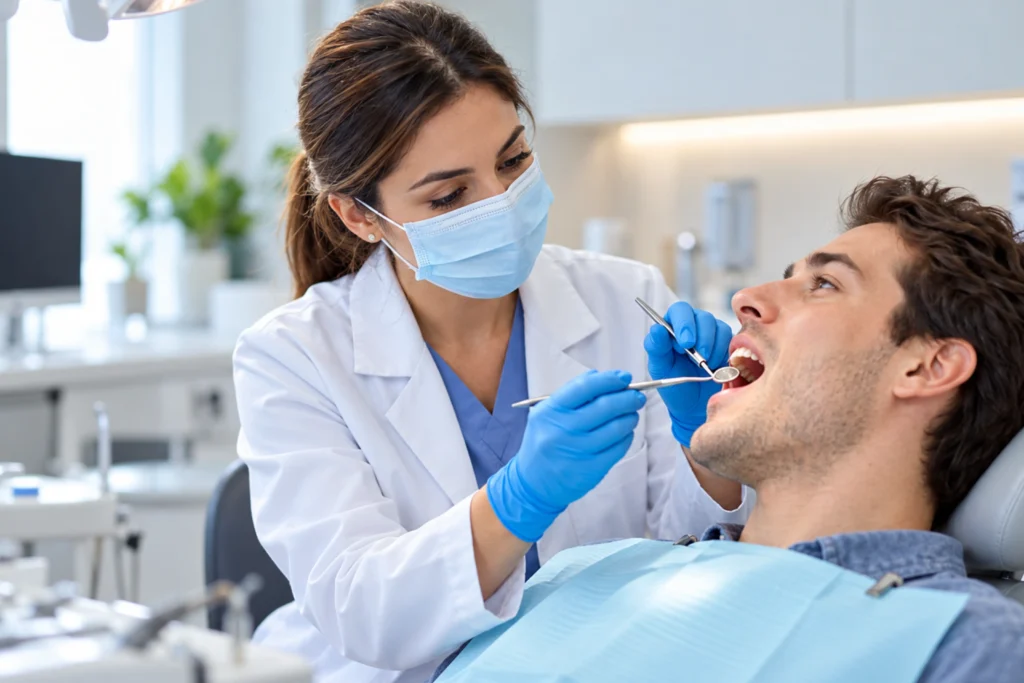
The mouth often provides warning signs before a dental concern becomes painful. Since these changes can develop gradually, they are not always easy to recognise without paying close attention.
| Sign | What it may suggest |
| Bleeding gums | Plaque may be irritating gum tissue |
| Bad breath that returns | Bacteria may remain in difficult-to-clean areas |
| Rough teeth after brushing | Plaque may not be fully removed |
| Tooth sensitivity | Teeth or gums may require assessment |
Bleeding during brushing is sometimes considered normal, though healthy gums do not usually bleed without a reason. Anyone experiencing these changes may benefit from reviewing their routine rather than focusing only on how often they brush.
Why Brushing Alone May Not Be Enough for Complete Oral Care
Brushing is an important part of maintaining oral health, but it does not always reach every surface of every tooth. Areas between teeth, along the gumline and around the back teeth can be more difficult to clean effectively. Many people develop habits around their daily schedule. Brushing may become shorter when mornings are busy, flossing may be skipped after a long day, or extra attention may be given only to the teeth that are visible when smiling.
Common gaps in a daily oral hygiene routine include:
- Brushing for less time than recommended
- Giving limited attention to plaque-prone areas near the gums
- Cleaning between teeth only occasionally
- Frequently consuming sugary drinks or snacks
A more effective routine focuses on covering these commonly missed areas rather than relying on a large number of dental products. Consistent attention to basic habits generally provides the most noticeable improvement.
What should a proper oral hygiene routine include?
A proper oral hygiene routine is built around a few consistent habits rather than occasional intensive cleaning.
| Habit | Why it helps |
| Brushing twice daily | Removes plaque from tooth surfaces |
| Cleaning between teeth | Reaches areas toothbrushes cannot access |
| Fluoride toothpaste | Helps support enamel protection |
| Regular dental visits | Helps identify concerns early |
The right approach can vary between individuals. Factors such as dental restorations, orthodontic treatment, gum concerns or a history of cavities can influence what routine is most suitable. Preventive care also helps identify changes that may not be visible during everyday cleaning, with further support available through preventative dentistry services.
How Plaque Buildup Can Affect Your Teeth and Gums
Plaque forms when bacteria naturally present in the mouth combine with food particles and saliva. If it remains on teeth for longer periods, it becomes harder to remove and may contribute to gum irritation. Over time, plaque can harden into tartar, which cannot usually be removed through brushing at home.People noticing gum swelling, tenderness or recurring bleeding may benefit from understanding the early signs of concerns such as early gum disease. These symptoms do not always indicate serious damage, but they can suggest that the mouth requires closer attention.
Oral health is influenced by daily habits beyond brushing alone. Frequent snacking, sugary drinks and low water intake can all affect conditions within the mouth. For example, slowly consuming a sweet drink over several hours increases the length of time teeth are exposed to sugar. Having the same drink with a meal generally reduces this exposure period.
Helpful habits include:
- Drinking water regularly
- Limiting repeated sugar intake between meals
- Replacing toothbrushes when bristles become worn
- Cleaning retainers or dental appliances as recommended
These small adjustments are often easier to maintain than making several major changes at once.
When Oral Hygiene Concerns Require Dental Attention
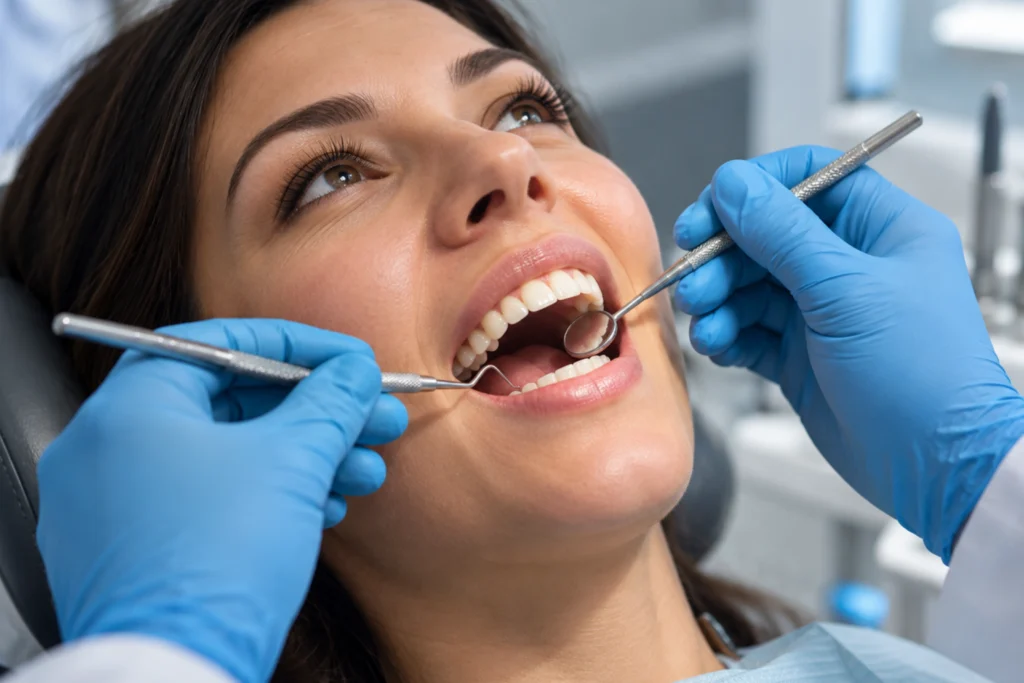
Some symptoms require professional attention even when they appear manageable. Sensitivity that comes and goes or bleeding that stops shortly after brushing can be easy to dismiss, but repeated symptoms may indicate the need for an assessment through general dentistry treatments.
A dental consultation may be appropriate if there is:
- Ongoing gum bleeding
- Persistent tooth pain
- Swelling around the gums
- Sensitivity that becomes more frequent
Regular dental visits allow dentists to monitor changes over time. Some conditions develop gradually and may not be noticeable without a professional examination.
Bottom line
Improving oral care often starts with recognising one overlooked habit, whether that means spending more time brushing, cleaning between teeth more consistently or making small changes to daily routines.
A good oral hygiene routine does not need to be complicated. It needs to be practical enough to follow during busy mornings, travel and everyday disruptions. Maintaining a consistent approach, supported by regular dental guidance, helps protect teeth and gums over time. Twilight Dental provides preventive dental care and personalised advice for patients across Brassall, Ipswich and surrounding suburbs, helping identify early changes before they develop into larger concerns.