

A cracked tooth often develops quietly, without immediate or obvious warning signs. The tooth may appear completely normal and feel fine throughout the day, only to produce a sudden sharp pain when pressure is applied in a certain way while chewing.
This intermittent discomfort is why many patients delay seeking treatment. It can feel too mild for urgent care, yet too inconsistent to ignore. A crack may be hidden beneath a filling, between teeth or deep within a molar and once chewing becomes uncomfortable or unpredictable, the tooth often requires more than a simple repair.

What Are The Symptoms Of A Cracked Tooth
Cracked tooth symptoms are often intermittent and can be difficult to identify early. The pain may appear, subside and then return unexpectedly, often triggered by a single firm bite. Some patients may also notice sensitivity to hot, cold or sweet foods as the crack progresses and begins affecting deeper layers of the tooth.
Common Signs To Watch For
| Symptom | What it may feel like |
| Pain when biting | A sharp jolt during chewing |
| Pain on release | A sting as the bite opens |
| Cold sensitivity | A quick ache after cold drinks |
| Sweet sensitivity | A zap from sugar |
| Gum soreness | Tenderness near one tooth |
| No visible mark | Pain without any clear damage |
Why Do Symptoms Often Affect The Back Teeth
These symptoms of a cracked tooth often appear around the back teeth. Molars absorb heavy chewing force, so even a small crack can become painful during an ordinary meal. You might notice discomfort when biting down, especially on harder or chewy foods. Some patients also feel a sharp pain that comes and goes depending on pressure or temperature changes.
Why Cracked Teeth Are Difficult To Detect
A crack can be hairline-thin and not visible in the mirror and in some cases it may not show clearly on a routine X-ray either. The tooth can open slightly under pressure and then close again once the bite is released, which is why the pain often feels unpredictable. Breakfast may pass without discomfort, while dinner brings noticeable pain.
To reach a diagnosis, a dentist may assess the bite, examine existing fillings, test sensitivity to cold, inspect the gums and compare these findings with the symptoms described. Self-diagnosis at home rarely provides a reliable answer.
When A Cracked Tooth Needs Urgent Care
Some symptoms of a cracked tooth should be addressed promptly, particularly persistent tooth pain that keeps returning, along with any swelling.
Arrange a dental visit quickly if you notice:
- Pain when biting
- Pain that wakes you at night
- Gum swelling near one tooth
- A bad taste is coming from the area
- A sharp broken edge
- Fever or facial swelling
Severe pain, swelling, a broken tooth or a lost filling may require same-day assessment from an emergency dentist in Ipswich.
The Risks Of Leaving A Cracked Tooth Untreated
A small crack may stay quiet for a time, then travel deeper into the tooth. Once the crack reaches the nerve, the pain can intensify and infection can follow. A tooth that might have needed only a filling or crown may then require root canal treatment. If the crack extends too far below the gum, the tooth may not be able to be saved. That is the real risk.
A tooth does not have to hurt constantly to be getting worse. Early assessment helps prevent minor damage from becoming a complex dental problem.
How Dentists Treat A Cracked Tooth
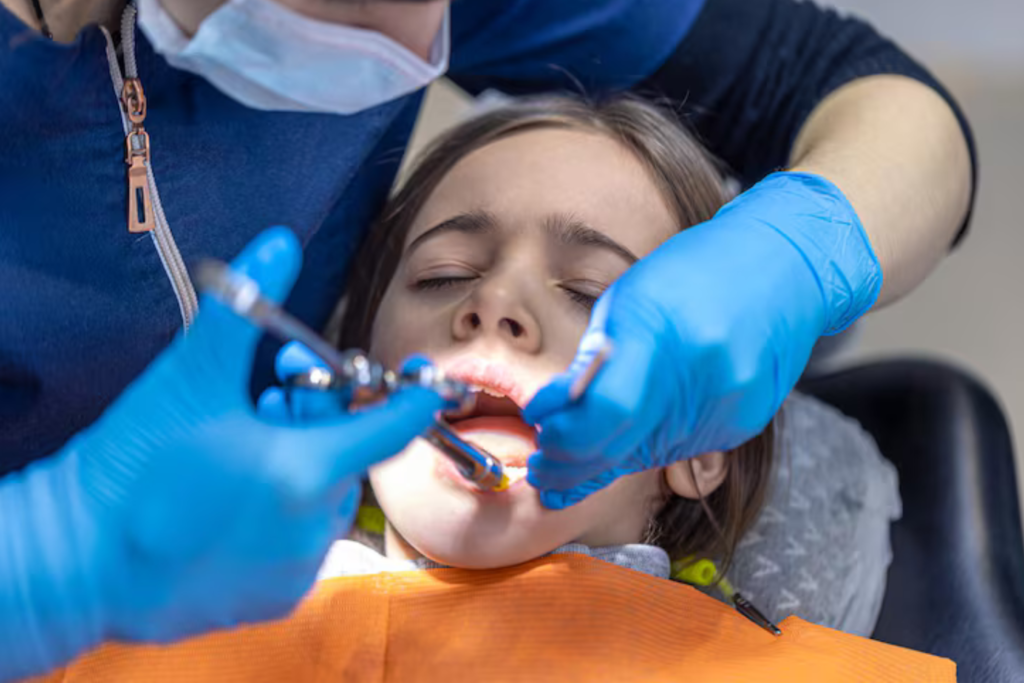
Treatment depends on the depth of the crack, the position of the tooth, symptoms and whether the nerve is involved. In some cases, early intervention can help preserve more of the natural tooth structure and reduce the need for complex treatment. A thorough dental examination is recommended to determine the most appropriate and conservative approach for your situation.
Treating Cracked Teeth By Severity Level
A minor enamel crack may only require smoothing or monitoring. A broken cusp may be treated with a filling. A weakened tooth may need a crown to hold it together during chewing. If the tooth is at risk of further fracture, a dental crown can protect the remaining structure. The most suitable treatment depends on the extent of the damage, the tooth’s condition and whether the underlying nerve has been affected.
Nerve Involvement In Tooth Pain
If the crack has reached the pulp, root canal treatment may be required before the tooth is restored. Each case depends on the findings during examination and early assessment helps prevent further damage and more complex treatment. Regular dental check-ups give your dentist the opportunity to detect problems early, often before symptoms develop. Many cracks are identified during routine examinations rather than emergency visits.
Preventing Damage To Existing Fillings
Older fillings can weaken over time and place added stress on the surrounding tooth structure. Regular check-ups help monitor these restorations so they can be repaired or replaced before a crack develops. For most patients, a check-up and clean every six months is enough to prevent minor issues from becoming more complex problems.
Final Guidance
We assess cracked tooth concerns by checking the bite, fillings, gum signs, pain pattern and tooth structure before recommending treatment. The team also supports nervous patients, which matters when pain has already made a visit stressful.
For patients around Brassall and the wider Ipswich area, Twilight Dental can assess the symptoms of a cracked tooth before they develop into a larger problem.Early assessment can help prevent more complex treatment later. Contact Twilight Dental to arrange an appointment if you have noticed any of these signs.