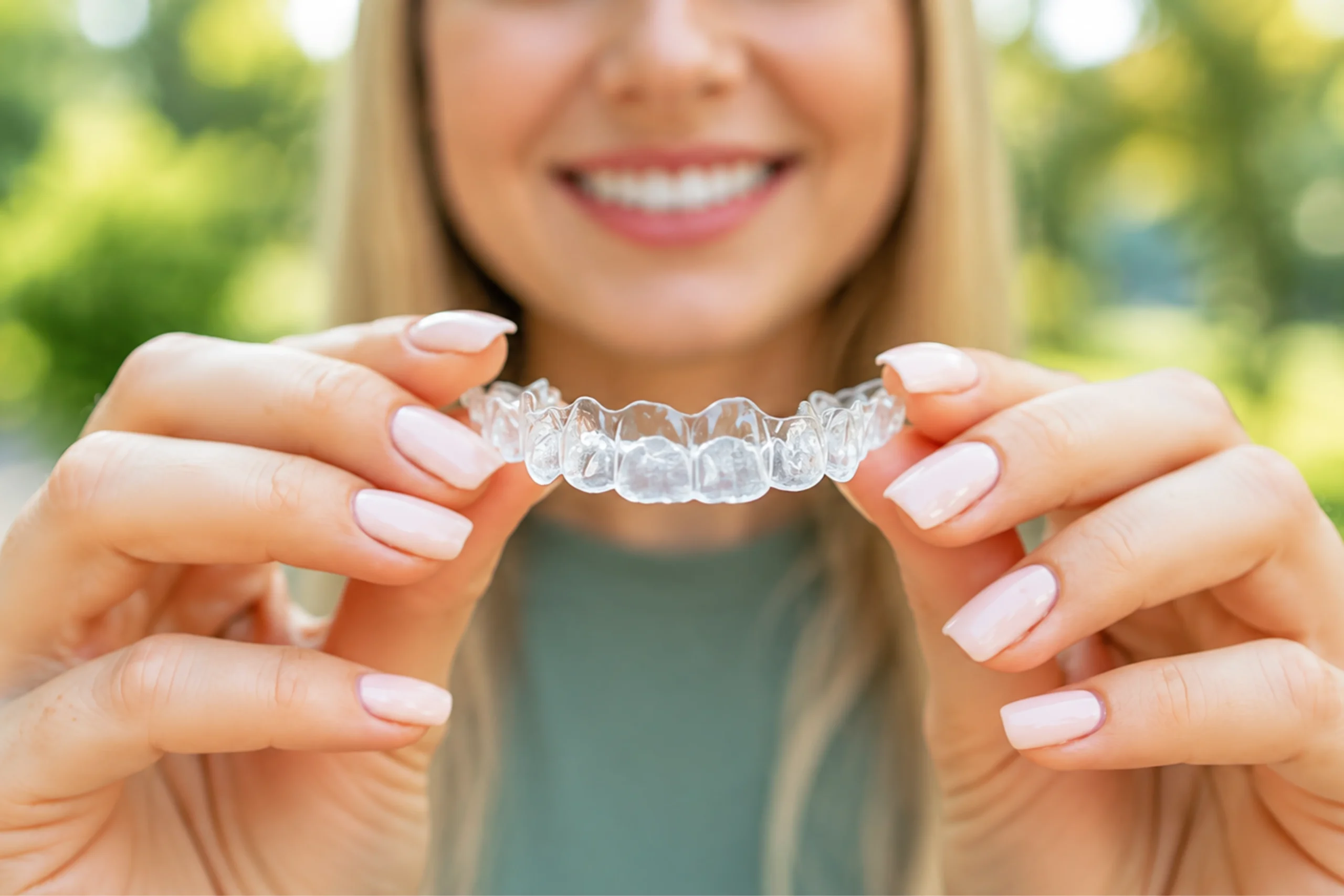
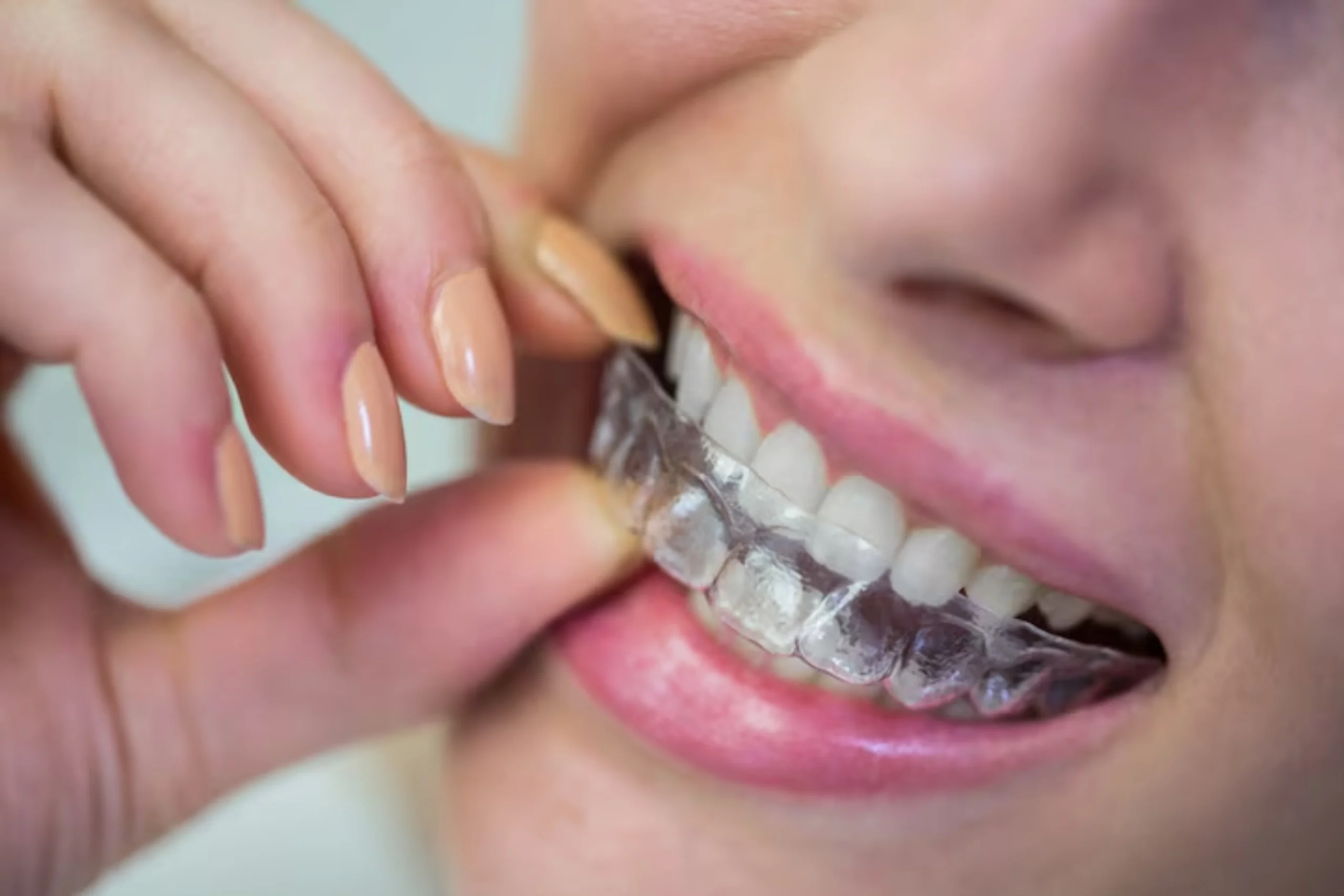
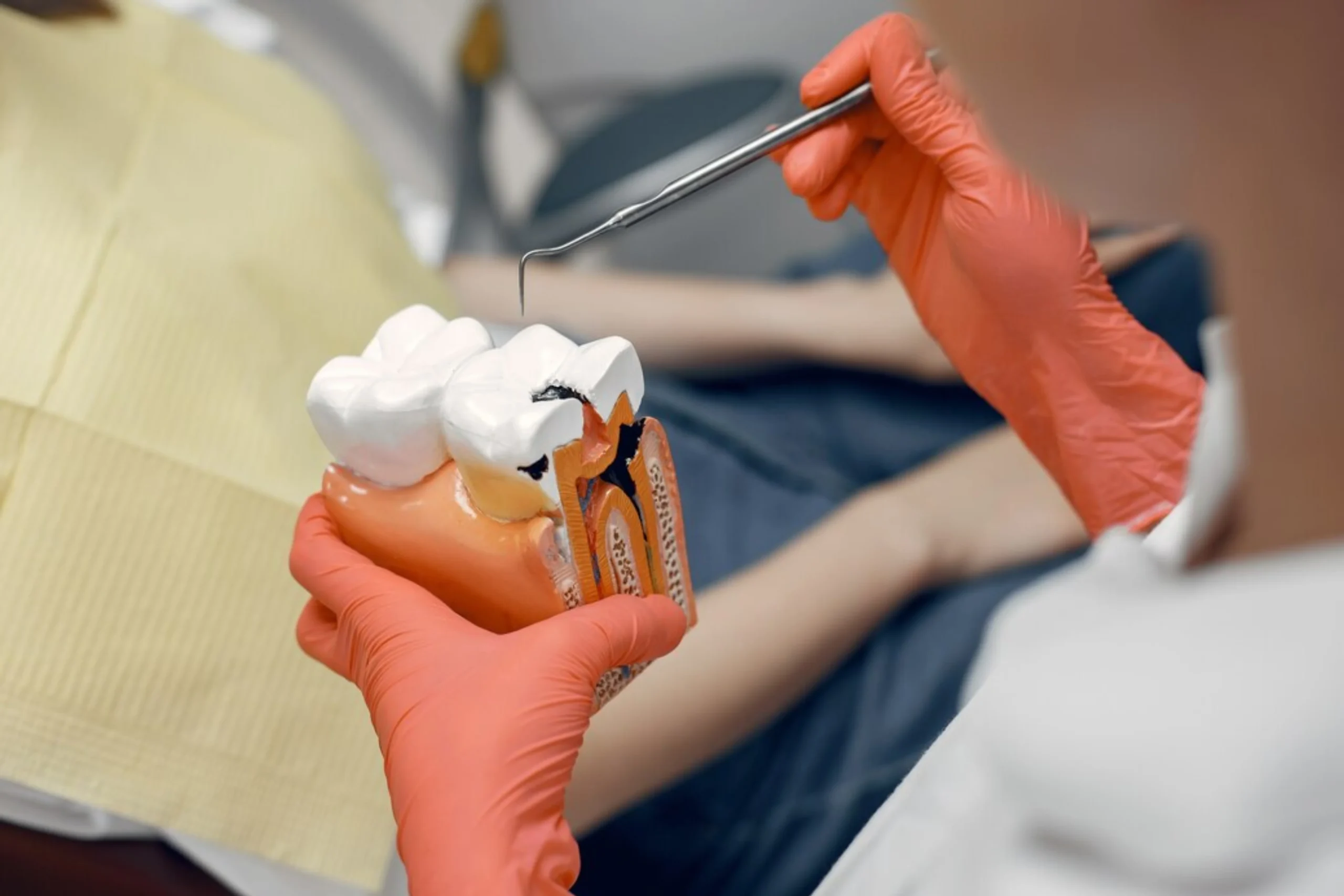
New Invisalign patients often have the same question before their first meal after getting fitted: can you eat and drink with Invisalign, or should the trays be removed every time? The uncertainty is understandable. Clear aligners provide more flexibility than traditional braces, though braces remain effective for teens in many cases, but that convenience still […]
A dental check-up is often delayed when there are no obvious signs of a problem. However, issues such as early tooth decay, gum disease and enamel wear can develop gradually without causing noticeable symptoms. Being aware of early warning signs can help you recognise potential concerns, but only a professional dental examination can identify problems […]
Growing older does not mean that dental problems are inevitable. Many older adults retain their natural teeth for life, but changes such as gum recession, reduced saliva flow, ageing dental work and declining dexterity can make seniors’ oral health more difficult to maintain over time. These changes often develop gradually, which means the early signs […]
Plaque and tartar are closely related, but they are not the same. Plaque is a soft bacterial film that forms continuously on the teeth and can generally be removed through regular brushing and interdental cleaning. When plaque remains on the teeth, minerals in saliva can cause it to harden into tartar, also known as calculus, […]
Pain or tenderness around the back molar can be easy to overlook, particularly when it settles and then returns during chewing. You may also notice food becoming trapped around the gum, swelling, jaw stiffness or an unpleasant taste. These changes can indicate that a wisdom tooth is not erupting properly or that the surrounding gum […]
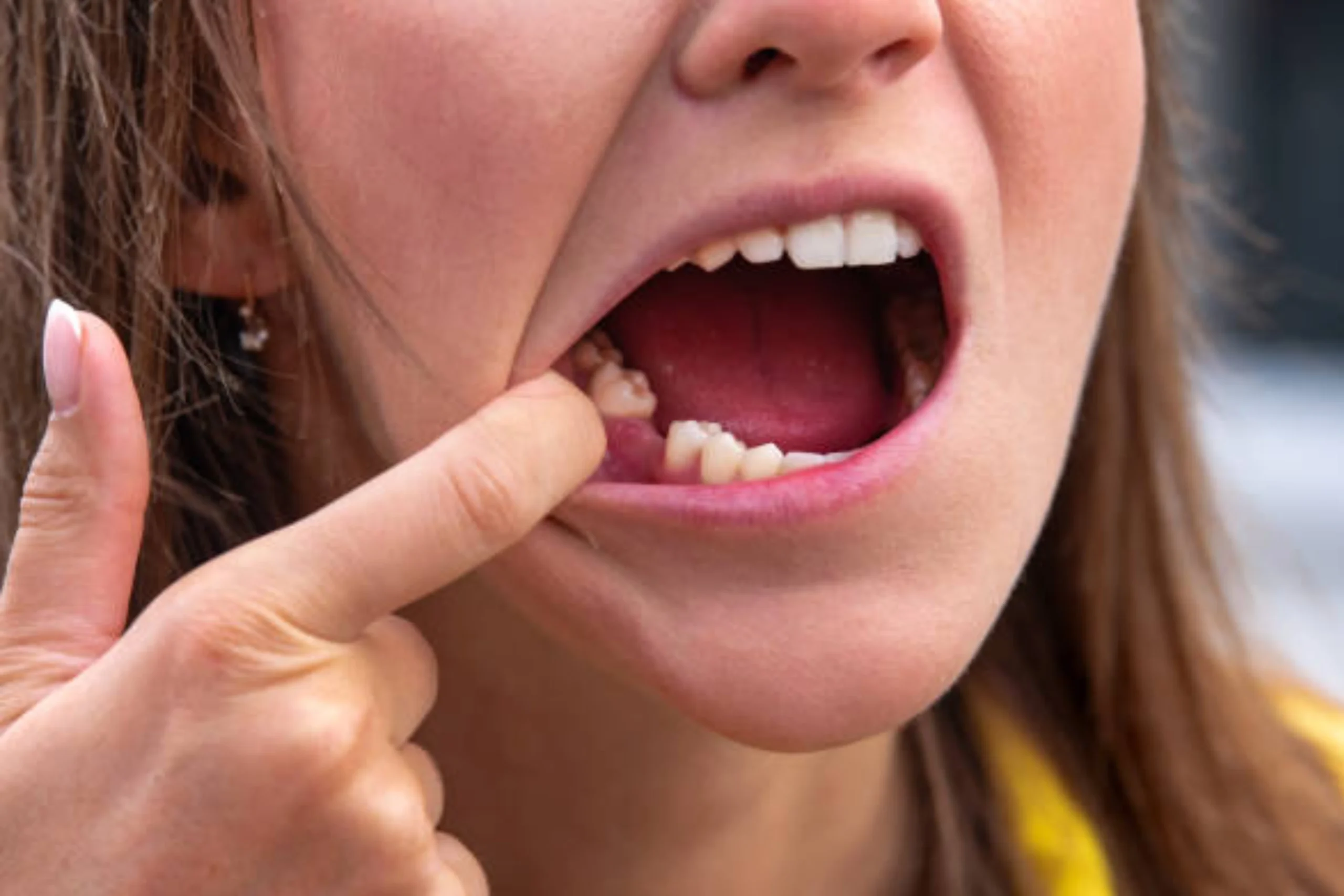
A missing tooth can affect more than the appearance of a smile. Food may become trapped in the gap, chewing can shift towards the opposite side and a missing front tooth may influence speech or confidence, while a missing back tooth can gradually alter how bite pressure is distributed. Before comparing dental implants and bridges, […]
Teeth can withstand significant pressure before any visible damage becomes apparent. Early signs are often subtle, such as a rough tooth edge, a filling that continues to chip, or jaw fatigue on waking. Bruxism can be difficult to recognise because it commonly occurs during sleep. Daytime clenching may be just as easily overlooked, particularly while […]
A chipped tooth and a missing tooth may both affect the appearance of a smile, but the treatment approach for each is completely different. A chipped tooth can often be improved while preserving the natural tooth, whereas a missing tooth requires a replacement solution designed to restore both function and appearance. Although veneers and implants […]
Oral health concerns often develop gradually and may not always begin with obvious pain. A small amount of blood after brushing, breath that returns soon after cleaning your teeth, or a rough edge on a tooth can become part of your daily routine without seeming like a serious concern. These changes are easy to overlook […]
An overbite can be difficult to notice at first, especially when the teeth appear fairly straight from the front. The difference often becomes clearer when the mouth closes and the upper front teeth cover more of the lower teeth than they should. Some people notice uneven tooth wear, while others feel their smile appears shorter […]
Root canal treatment is performed to remove infected or inflamed tissue from inside a tooth and relieve the pain associated with that condition. In many cases, the most significant discomfort occurs before treatment begins, when inflammation or infection affects the dental pulp and surrounding tissues. By treating the source of the problem, root canal therapy […]
A clear aligner may seem simple to manage, but daily routines such as school sport, extended breaks or leaving a tray beside a coffee cup can disrupt wear. Missed hours accumulate, potentially slowing treatment even though trays still fit. Invisible braces can be effective for many teenagers and adults. Outcomes depend on the orthodontic issue, […]
A tooth may appear structurally intact while decay develops beneath the surface, between adjacent teeth or within deep occlusal grooves. Pain is not a reliable early indicator. By the time discomfort arises, decay has often progressed beyond the enamel. This asymptomatic progression underscores the importance of regular dental checkups. Patients maintaining consistent oral hygiene may […]
A cracked tooth often develops quietly, without immediate or obvious warning signs. The tooth may appear completely normal and feel fine throughout the day, only to produce a sudden sharp pain when pressure is applied in a certain way while chewing. This intermittent discomfort is why many patients delay seeking treatment. It can feel too […]
Tooth pain can be sudden and distracting and the underlying cause is not always obvious. In some cases, its mild sensitivity resolves on its own, while in others it signals a more serious issue affecting the tooth or surrounding tissues. Understanding what causes a toothache and recognising the warning signs helps you decide whether to […]
Answer 3 quick questions and we'll point you in the right direction.