

Teeth can withstand significant pressure before any visible damage becomes apparent. Early signs are often subtle, such as a rough tooth edge, a filling that continues to chip, or jaw fatigue on waking. Bruxism can be difficult to recognise because it commonly occurs during sleep. Daytime clenching may be just as easily overlooked, particularly while driving, working at a computer or concentrating for long periods.
Sharp pain when biting may resemble the symptoms of a cracked tooth and in some cases, repeated grinding may eventually cause the crack itself, particularly once the tooth structure has weakened. Because these conditions can present similarly, persistent pain should be assessed rather than judged on symptoms alone.
What Does Teeth Grinding Involve?
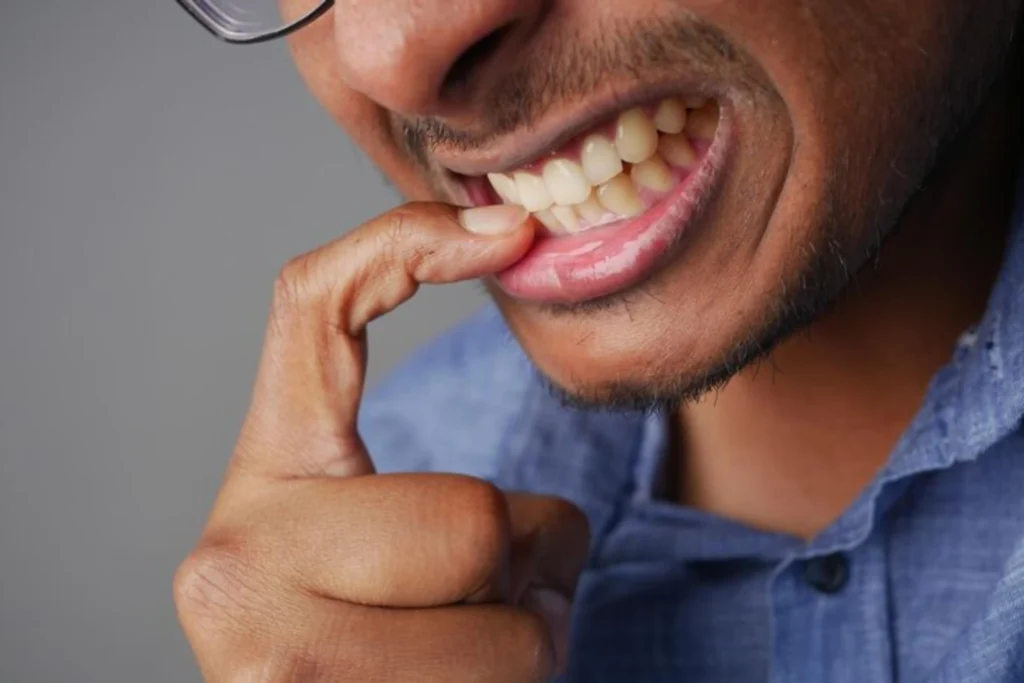
Tooth grinding, clinically referred to as bruxism, involves clenching or grinding the teeth at times other than during normal chewing. It can occur during the day or while asleep. Awake bruxism is often associated with prolonged jaw tension or clenching, while sleep bruxism occurs involuntarily and may first be noticed by a partner or identified during a routine dental examination.
Occasional grinding may not cause lasting harm. However, when it becomes frequent or sustained, the repeated pressure can gradually wear down the enamel, place additional strain on the jaw muscles and increase the risk of damage to the teeth and existing restorations.
What Causes Teeth Grinding?
Bruxism does not have a single underlying cause. Daytime clenching is often associated with stress, concentration or habitual jaw tension, while sleep bruxism may be linked to disrupted sleep, snoring or obstructive sleep apnoea. Lifestyle factors such as smoking, alcohol consumption and high caffeine intake may also contribute, as can certain prescription medicines.
Details worth discussing during an assessment include:
- Jaw tension during work, study or driving
- Grinding sounds noticed by a sleeping partner
- Snoring, gasping or poor-quality sleep
- A recent change in prescribed medicine
- Regular evening caffeine or alcohol use
- A family history of sleep grinding
How to Recognise the Signs of Teeth Grinding
Grinding does not always cause noticeable pain. Some patients may show clear signs of wear along the tooth edges without experiencing any morning discomfort, while others report headaches, jaw fatigue or tightness in the cheek muscles despite little visible change to the teeth. The timing and pattern of these symptoms can provide useful clinical clues:
| What Happens | What It May Suggest |
| Jaw feels tired after waking | Possible grinding during sleep |
| Tension builds throughout the day | Repeated daytime clenching |
| One tooth hurts when biting | A crack or damaged restoration |
| Cold drinks cause a brief sting | Worn enamel or exposed dentine |
| A partner hears grinding | Possible sleep bruxism |
These patterns alone cannot confirm a diagnosis. Tooth decay, gum disease, cracked teeth and jaw joint conditions can cause similar discomfort, so a dental examination is recommended when symptoms persist or return. Common toothache causes, including decay, gum irritation and damaged fillings, may produce pain that closely resembles grinding-related sensitivity.
How to Protect Your Teeth From Grinding
No single approach can prevent bruxism. Management depends on whether grinding occurs during the day, during sleep or both. The aim is to reduce contributing factors, relieve muscle tension and protect the teeth from further damage.
A practical management plan may include:
- Noticing when the teeth touch during focused activities
- Keeping the jaw relaxed when not chewing
- Maintaining more regular sleep habits
- Reducing late caffeine if it appears to disturb sleep
- Discussing persistent stress with a suitable health professional
- Wearing a custom splint when recommended by a dentist
An over-the-counter mouthguard may feel bulky, fit poorly or shift during sleep. A custom splint is made to suit the patient’s bite and can be reviewed for fit, comfort and wear. It helps protect the teeth from contact, although it does not eliminate the underlying muscle activity.
How Dentists Assess Teeth Grinding
A dentist considers findings rather than relying on a single worn tooth. The assessment includes the biting surfaces, restorations, tooth sensitivity, jaw muscles and the way the teeth come together. X-rays may be recommended where a crack, deep decay or another source of discomfort is suspected.
As part of preventative dentistry, existing wear can be documented and compared during follow-up appointments. This helps determine whether the changes are stable or whether active grinding is continuing to affect the teeth. A medical assessment may also be recommended when snoring, gasping or daytime tiredness suggests an underlying sleep disorder.
When Does Grinding Pain Need Dentist Care?
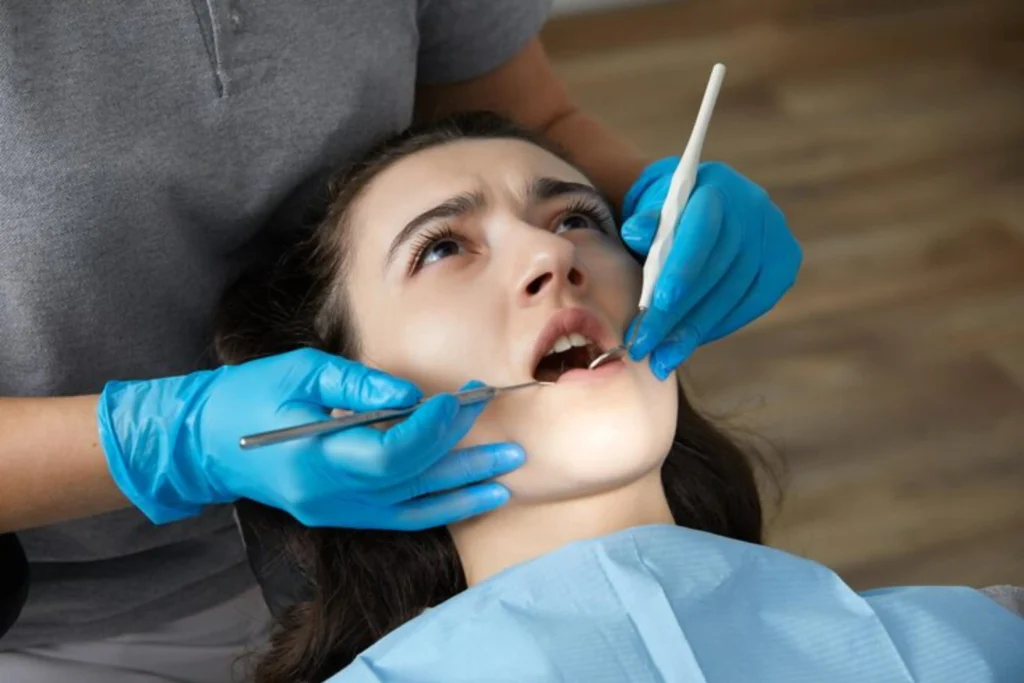
Mild jaw tension can often be monitored following an initial dental assessment. Earlier care is appropriate when the tooth structure changes or pain begins to interfere with eating, sleeping or function.
Prompt attention is advisable when there is:
- A broken tooth, filling or crown
- Sharp pain when biting
- A tooth that suddenly feels loose
- Facial swelling, fever or a bad taste
- Pain that repeatedly wakes the patient
- Difficulty opening the mouth normally
Swelling, fever or rapidly worsening pain may indicate an infection or another condition beyond grinding. An emergency dentist can assess symptoms and determine whether a crack, failed restoration or infection is responsible.
Conclusion
Patients across Brassall and Ipswich can have tooth wear, jaw discomfort and suspected bruxism assessed to determine whether symptoms are caused by grinding or another dental condition. Twilight Dental identifies concerns requiring treatment and changes that can be monitored safely, developing a plan based on the condition of the teeth rather than applying the same approach to every patient.