
Is it safe to visit the dentist while pregnant? Many expectant parents delay dental care because of concerns about X-rays, local anaesthetic or treatment in general. Australian health guidance indicates that most dental treatment is safe during pregnancy. A check-up during this time is recommended rather than avoided.
Pregnancy brings hormonal and lifestyle changes that can affect the teeth and gums. Understanding these changes helps expectant parents protect their oral health and recognise when professional care is needed. Regular examinations through Preventative Dentistry allow early changes to be identified before they develop into more complex problems.
How Does Pregnancy Affect Your Teeth and Gums?
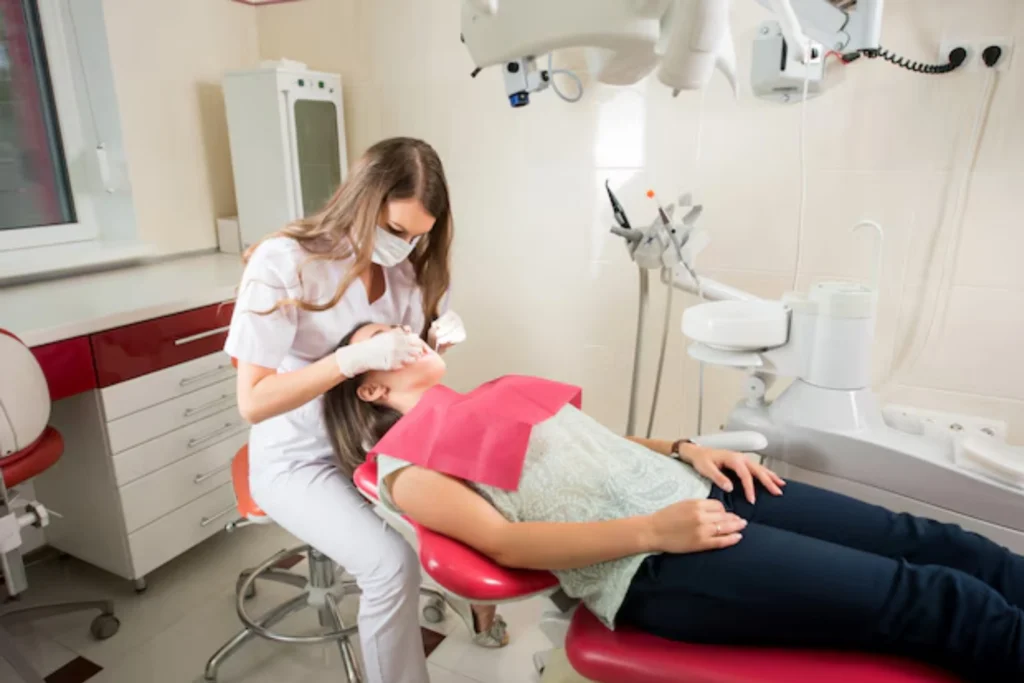
Hormonal changes during pregnancy can alter the way the gums respond to plaque. Pregnancy, Birth and Baby notes that swollen and inflamed gums are common at this time, which may lead to bleeding during brushing or flossing.
The Australian Dental Association also advises that pregnant people are at greater risk of gum disease and tooth decay. Changes in eating patterns, food cravings, nausea and reflux can all increase the exposure of teeth to sugar and acid.
Pregnancy Gingivitis: Swollen and Bleeding Gums
Pregnancy gingivitis is a common form of gum inflammation linked to hormonal changes. The gums may look red and puffy and can bleed easily. Recognising the Early Gum Disease signs allows treatment to begin before the condition progresses.
Untreated gum inflammation can develop into periodontitis, a more serious infection affecting the tissues that support the teeth. Pregnancy, Birth and Baby notes that severe gum disease during pregnancy may be linked to premature birth, low birth weight and pre-eclampsia.
Pregnancy Epulis: Gum Swelling During Pregnancy
Some pregnant people develop a small, red swelling on the gums known as a pregnancy epulis or pregnancy tumour. Despite the name, these growths are not cancerous. They often shrink after the baby is born. A dentist may recommend removal if the swelling bleeds or interferes with eating.
How Morning Sickness Affects Your Teeth
Nausea, vomiting and reflux expose the teeth to stomach acid, which can soften and wear away enamel over time. Protecting the teeth after an episode of vomiting can reduce this risk.
Brushing straight after vomiting may damage softened enamel. The Australian Dental Association recommends rinsing with water or mouthwash and waiting at least 60 minutes before brushing. Rubbing a small amount of fluoride toothpaste over the teeth with a finger may also help in the meantime.
Repeated acid exposure can contribute to tooth wear and discomfort to hot or cold foods. Information on Sensitive Teeth Causes explains how enamel erosion may lead to ongoing sensitivity if it is not addressed.
Is It Safe to Get Dental Treatment While Pregnant?
Australian guidance indicates that most dental treatments are safe during pregnancy. The Australian Dental Association states that local anaesthetic and dental X-rays are considered safe for pregnant patients, based on expert advice.
Dental X-rays involve a very low dose of radiation. They are generally taken only when clinically necessary. Many dentists prefer to postpone routine imaging until after the birth where possible.
Elective procedures, such as teeth whitening and dental implants, are usually deferred until after the baby is born. Urgent problems, including toothache, infection or a broken tooth, should not be left untreated, as dental infections can affect overall health.
Important: This information is general in nature and does not replace individual clinical advice. Patients should always tell the dentist and reception team that they are pregnant before any appointment. A professional assessment with a qualified dentist is recommended for any pain, swelling or bleeding during pregnancy.
When Should You Visit the Dentist During Pregnancy?

Pregnancy, Birth and Baby recommends seeing a dentist at least once during pregnancy, ideally in the first or second trimester. The second trimester is often the most comfortable time for treatment, as morning sickness has usually eased and lying back in the dental chair is easier than in the later stages. A check-up at this stage allows the dentist to assess gum health, remove plaque and tartar and address any concerns before the baby arrives. Information on routine Dental Check-Ups can also help expectant parents plan their visits around appointments with their obstetrician or midwife. Booking early in the pregnancy leaves time for any follow-up treatment before the third trimester.
Where gum inflammation is more advanced, Gum Disease Treatment involving professional cleaning below the gumline may be recommended. This care is generally considered suitable during pregnancy and can help reduce bleeding and inflammation.
How Your Oral Health Affects Your Baby’s Teeth
A parent’s oral health can influence the health of a child’s teeth. Bacteria that cause tooth decay may be passed from parent to baby through everyday contact, such as sharing spoons or cleaning a dummy in the mouth.
Maintaining good oral health during pregnancy and after the birth may help reduce this risk. Once the first teeth appear, early visits for Children’s Dentistry help establish positive habits and allow any concerns to be identified early.
Conclusion
Dental care during pregnancy is both safe and important. A check-up during the first or second trimester, combined with consistent daily care, can help protect the teeth and gums for both parent and baby.
Twilight Dental Brassall provides gentle check-ups and gum care for expectant parents across Brassall, Ipswich and surrounding suburbs. Patients can book an appointment, including evening and Saturday times, to have their teeth and gums assessed during pregnancy.