
Dental implants are a long-term option for replacing missing teeth, helping restore everyday functions such as eating and speaking while supporting a natural-looking smile. For patients considering this treatment, understanding the likely costs is an important part of planning their dental care. In Australia, a single dental implant with a crown generally costs between $3,000 and $7,000, while full-arch implant treatment can range from $15,000 to $30,000 per arch.
The total cost varies depending on the number of teeth being replaced, jawbone health, the need for additional procedures and the materials used. As treatment usually involves several stages over a number of months, fees can differ from one patient to another. Understanding the costs associated with dental implants can help patients compare treatment estimates and make informed decisions about their dental care.
Dental Implant Costs in Australia by Treatment Type
The ranges below reflect indicative fees across Australian practices. They are intended as a general reference only, since an accurate figure can only be provided after a clinical assessment and imaging.
| Treatment | Indicative Cost (AUD) | Usually Suits |
| Single implant with crown | $3,000 to $7,000 | One missing tooth |
| Implant-supported bridge | $6,000 to $12,000 or more | Several adjacent missing teeth |
| Full-arch implants (per arch) | $15,000 to $30,000 | Most or all teeth in one jaw |
| Full mouth (both arches) | $30,000 to $60,000 | Most or all teeth in both jaws |
| Bone graft or sinus lift | $500 to $3,000 or more | Insufficient bone volume |
Fees can differ between regions and clinics, as operating costs, laboratory fees and the materials used all vary. Patients in the Ipswich area should therefore treat these figures as a starting point rather than a firm estimate.
What Does the Cost of a Single Dental Implant Include
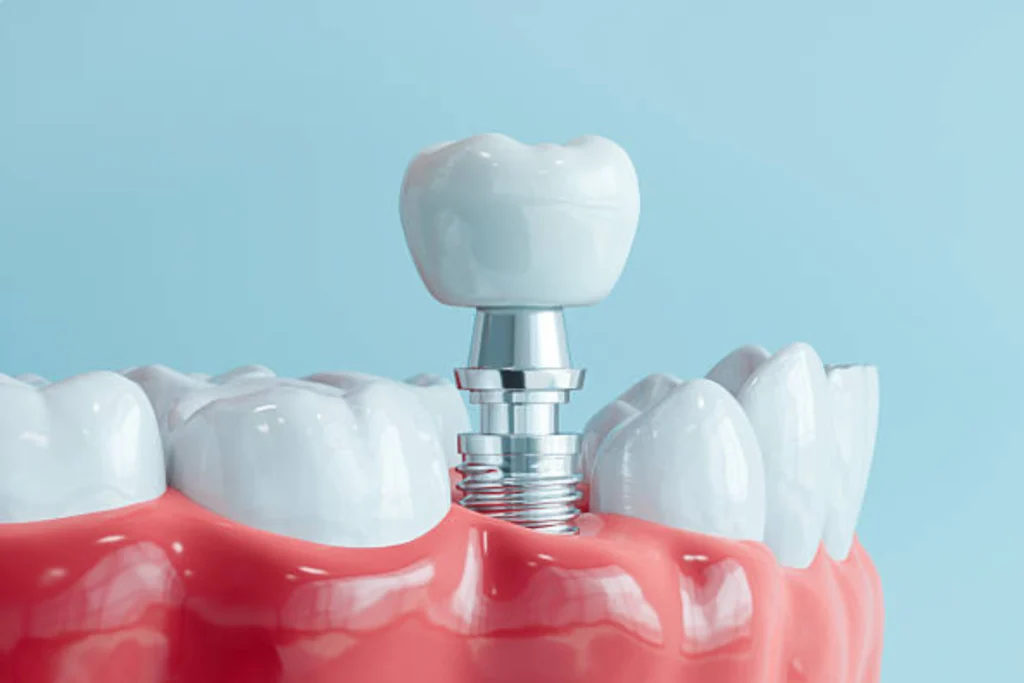
A single implant restoration consists of three components. The implant itself is a titanium or zirconia post placed into the jawbone, which acts as an artificial root. An abutment then connects the implant to the visible crown, which is custom-made to match the shape and shade of the surrounding teeth.
Treatment usually takes place over several stages, beginning with assessment and 3D imaging, followed by surgical placement and a healing period of approximately three to six months while the implant integrates with the bone. The final crown is fitted once healing is complete. Patients should confirm whether a quoted fee covers every stage or only the surgical placement.
How Much Do Full Mouth Dental Implants Cost
For patients missing most or all of their teeth, replacing each tooth with an individual implant is rarely practical or necessary. Full-arch approaches such as All-on-X Dental Implants support a complete fixed bridge on four to six strategically placed implants, which can reduce both treatment time and overall cost compared with individual implants.
Full-arch fees typically include the implants, a temporary bridge fitted during healing and a final bridge once integration is complete. The material of the final bridge has a notable effect on price, with zirconia and titanium-reinforced options generally costing more than acrylic alternatives, although they may offer greater durability.
What Factors Influence Dental Implant Costs
Several clinical and practical factors influence the final quote. The most common include:
- The number of implants required and their position in the mouth
- Bone volume and density, which may determine whether grafting is needed
- Whether failing teeth must be extracted before implant placement
- The type of crown or bridge material selected
- The complexity of the case and the experience of the treating clinician
Comfort options can also form part of the overall fee. Patients who feel anxious about surgery may choose IV Sedation, which is usually charged in addition to the implant procedure itself.
Additional Dental Implant Costs to Consider
Some expenses may be quoted separately from the core treatment. These can include an initial consultation, cone beam CT imaging, bone grafting, sinus augmentation and review appointments during the healing period.
Where a damaged tooth must be removed first, the extraction is commonly itemised as a separate procedure. Information on Tooth Extraction Costs outlines how simple and surgical extractions are typically priced.
Medicare and Private Health Cover for Dental Implants

Medicare does not generally cover dental implants for adults. Private health insurance with extras cover may contribute towards treatment under major dental services, although several conditions usually apply.
Most funds require a 12-month waiting period before major dental claims can be made. Annual limits for major dental are often in the range of $500 to $800, with some higher-level policies offering more. Because implant treatment is spread across several stages, patients may be able to claim against more than one annual limit, depending on the timing of each stage and the terms of their policy.
Requesting an itemised treatment plan with item numbers allows the health fund to confirm the expected rebate before treatment begins. Many practices also offer payment plans to spread the remaining cost over time.
How Implant Costs Compare With Other Options
A dental implant usually has a higher upfront cost than a bridge or removable denture. However, implants are designed to last 20 years or more with appropriate care, while bridges and dentures often require replacement or adjustment sooner.
When weighing up a Dental Bridge vs Implant, patients may find it useful to consider the expected lifespan of each option as well as the initial fee. Implants also avoid the need to reshape neighbouring healthy teeth, which a traditional bridge requires.
A broader comparison of Tooth Replacement Options can help patients understand where implants sit alongside dentures and bridges in terms of stability, maintenance and long-term value. The most cost-effective choice over time is not always the option with the lowest initial fee.
Important: The figures provided are indicative only and do not represent a quote. Dental implant surgery carries risks. Suitability depends on individual factors such as bone health, gum health, smoking status and general medical history. A professional assessment with a qualified dentist is recommended before any treatment decision is made.
Conclusion
Dental implant costs in Australia vary widely, but understanding what drives the fee makes it easier to plan with confidence. A detailed assessment remains the most reliable way to obtain an accurate figure.
Twilight Dental Brassall provides implant consultations for patients across Brassall, Ipswich and surrounding suburbs, with the full cost of treatment explained before anything is agreed. The practice accepts major health funds and can help patients confirm their entitlements in advance.