

A dental check-up is often delayed when there are no obvious signs of a problem. However, issues such as early tooth decay, gum disease and enamel wear can develop gradually without causing noticeable symptoms. Being aware of early warning signs can help you recognise potential concerns, but only a professional dental examination can identify problems that may not be visible to the untrained eye. With the use of specialised equipment and clinical expertise, your dentist can detect issues early and recommend appropriate care to help maintain your long-term oral health.
Regular dental visits also provide an opportunity to monitor changes over time and address small concerns before they develop into more complex problems. Maintaining a consistent check-up schedule allows your dentist to provide personalised advice based on your oral health needs and help support a healthy smile for the future.
How Often Should Adults Get a Dental Check-Up?
For most adults, a recall interval of six to twelve months is considered a suitable general guideline, although this timeframe is not a fixed requirement for every patient. The ideal frequency depends on several factors, including the condition of the teeth and gums, previous dental treatments, oral hygiene habits and how quickly dental concerns have developed in the past.
This provides the practical answer to the question of dental check up how often appointments are needed, as the recommended frequency varies significantly between individuals. Someone with healthy gums and a low history of decay may be suitable for a longer recall period, while a patient experiencing gum disease, recurring cavities, or complex dental restorations may benefit from more frequent monitoring. The appropriate interval should always be determined following a professional assessment rather than applied as a universal schedule.
Factors That Influence How Often You Need Dental Check-Ups
Patients of the same age can require very different recall schedules. One person may have a limited dental history with only a few previous fillings, while another may need closer monitoring due to bleeding gums, multiple crowns, extensive restorations, or dry mouth linked to certain medications.
Dental and Health Factors That May Require Closer Monitoring
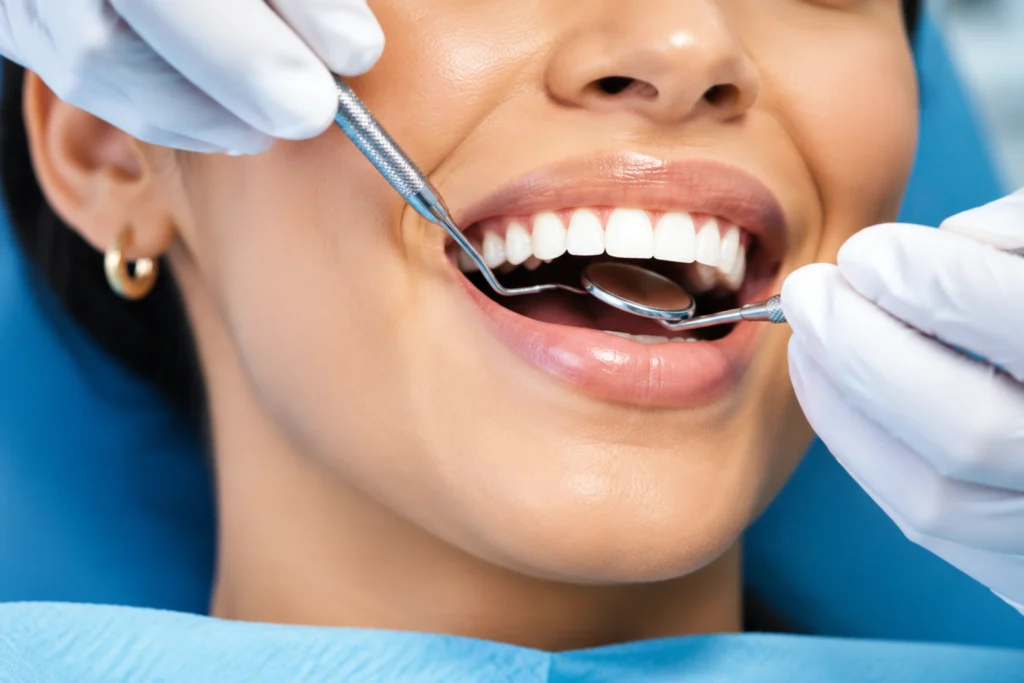
Several factors may influence how frequently dental check-ups are recommended, including a history of tooth decay, gum disease or regular bleeding, significant plaque or tartar build-up, dry mouth, smoking or vaping, previous root canal treatment and restorations that require ongoing assessment.
Pregnancy, diabetes and certain medications may also affect oral health, although these factors do not automatically mean every patient requires the same appointment frequency. A shorter recall period is generally considered when an individual’s risk of developing dental problems has been assessed as higher.
Why Six-Month Check-Ups May Not Apply to Every Patient
Not always. The six-month interval remains a commonly recognised benchmark because it provides a practical timeframe for many patients, but modern dental care increasingly focuses on a risk-based approach. An adult with stable oral health and a low likelihood of dental disease may not require the same schedule as someone managing ongoing decay, gum concerns, or complex dental work.
The question of how often dental check up appointments should occur is better understood as determining how frequently a patient’s oral health needs to be reviewed based on their individual circumstances.
What Happens During a Routine Dental Check-Up?
A routine dental check-up involves much more than simply looking for cavities. The dentist will assess the condition of the gums, review existing fillings, crowns or other restorations, examine signs of tooth wear and check for changes within the soft tissues of the mouth. X-rays may be recommended when clinically necessary, although they are not required at every appointment. When used, they can provide additional information by identifying concerns that may not be visible during a standard examination, including decay between teeth or changes around tooth roots.
A routine visit generally includes an examination of the teeth and gums, an assessment of plaque and tartar levels, a review of existing dental work and professional cleaning where appropriate. Preventative Dentistry combines these assessments with personalised advice based on clinical findings, helping establish a clear baseline for monitoring future oral health changes.
Why You Should Not Wait Until You Experience Dental Pain
Pain is not always a reliable indication of dental problems. Early tooth decay can develop without discomfort, while early gum disease can also progress without noticeable symptoms. Waiting until pain occurs may allow an underlying issue to become more advanced and require more complex treatment.
Bleeding gums should also not be ignored. As discussed in the clinic’s information about gum health, symptoms such as bleeding, swelling, or persistent bad breath should not be considered normal. Other concerns, including a broken tooth, ongoing discomfort, a loose adult tooth, or a mouth sore that does not heal, should be assessed sooner rather than waiting for a routine appointment.
What to Expect After Missing Dental Check-Ups

A long gap between dental appointments does not necessarily mean extensive treatment will be required. The first priority is understanding the current condition of the mouth and identifying any changes since the previous examination. In some cases, teeth may remain stable, while others may require attention due to tartar build-up, ageing fillings, or developing dental concerns.
A New Patient Check-up provides a comprehensive starting point, allowing future recall appointments to be based on current oral health needs rather than simply the length of time since the last visit. This approach can be particularly helpful for patients returning after an extended absence due to cost concerns, dental anxiety, or competing responsibilities.
How Often Do Children Need Dental Check-Ups?
Children generally require a different approach because their mouths are constantly changing as teeth erupt, brushing habits develop and dietary patterns evolve. A six-month recall period is common for many children, although the recommended timing may vary depending on their risk of decay and stage of development.
The answer to dental check ups how often can therefore differ significantly between a child with newly erupted teeth and an adult with stable oral health and minimal risk factors, as each patient’s dental needs are assessed individually.
Bottom Line
Regular dental visits are most effective when the recall interval is personalised to suit each patient’s oral health needs rather than following a standard schedule. At Twilight Dental, patients in Brassall, Ipswich and surrounding suburbs can receive a thorough assessment of their teeth, gums and existing dental work before an appropriate recall interval is recommended.
A carefully planned dental check-up schedule allows early signs of change to be identified sooner, helping prevent minor concerns from developing into more complex dental problems.