
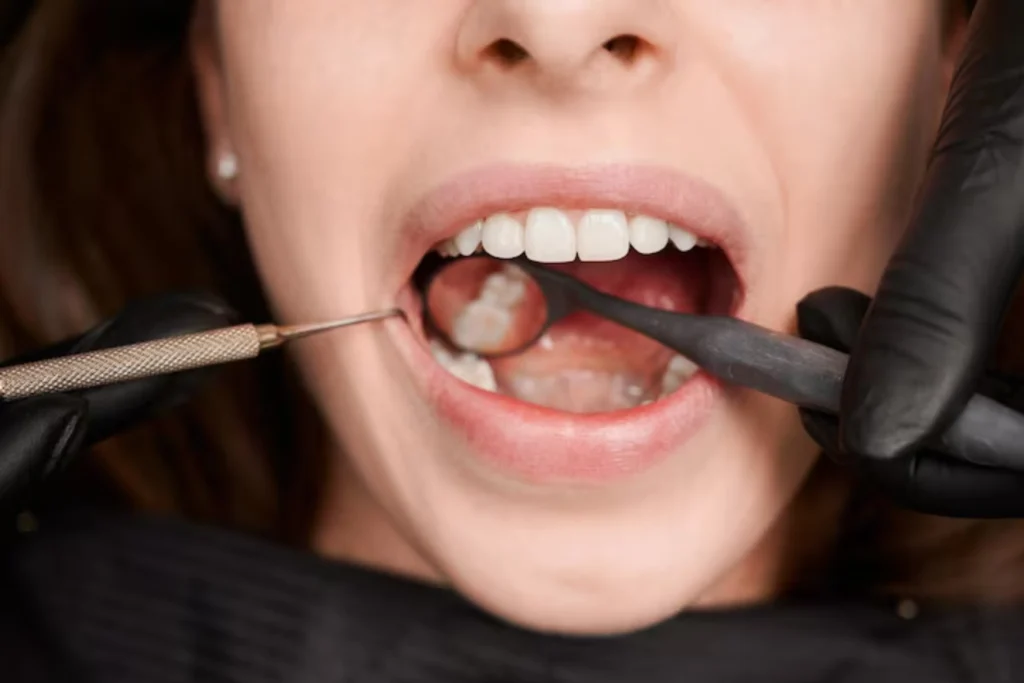
Pain or tenderness around the back molar can be easy to overlook, particularly when it settles and then returns during chewing. You may also notice food becoming trapped around the gum, swelling, jaw stiffness or an unpleasant taste. These changes can indicate that a wisdom tooth is not erupting properly or that the surrounding gum has become irritated.
Not every symptom around the back of the mouth points to a wisdom tooth problem. Some oral health signs, such as persistent bad breath, swollen or bleeding gums and ongoing discomfort, can occur with other dental conditions as well. The location and pattern of the symptoms are important, particularly when discomfort is consistently focused around the wisdom tooth area.
What Problems Can Develop Around Wisdom Teeth?
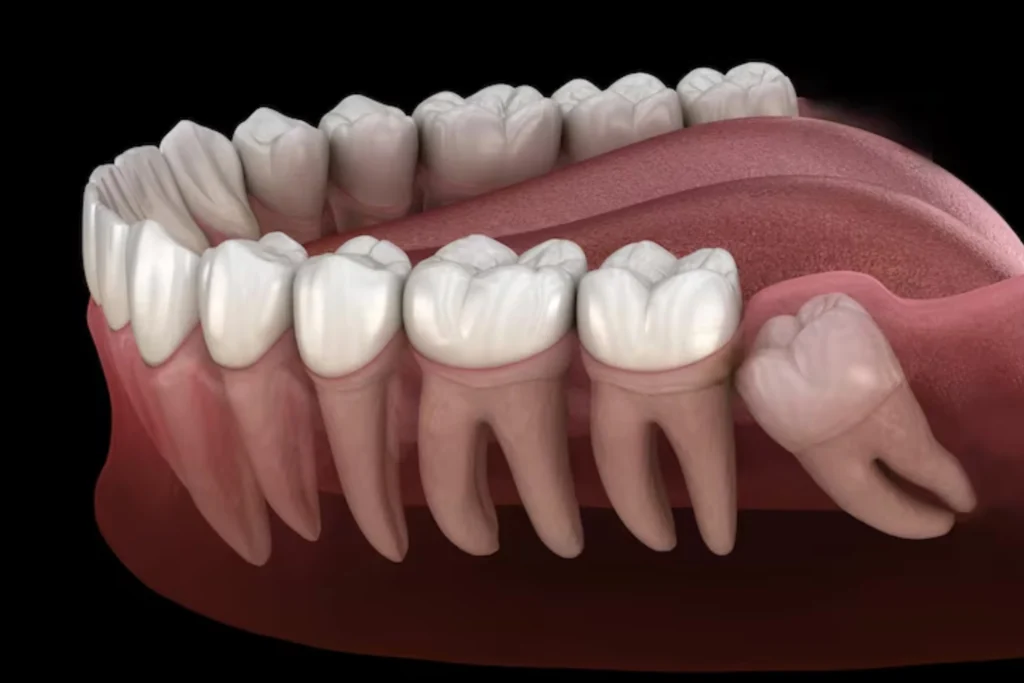
Wisdom teeth are the third molars at the very back of the mouth. Many come through without difficulty and never cause trouble, although problems become more likely when there is not enough room for them to erupt fully or when a tooth emerges at an awkward angle.
A partly erupted tooth can leave a flap of gum over the crown, allowing food and bacteria to collect underneath and causing inflammation known as pericoronitis. Australian health guidance lists impaction, gum infection, pericoronitis and decay among the most common wisdom tooth concerns.
| Problem | What may be noticed | Why it happens |
| Partial eruption | Sore gum or food trapping | Part of the tooth remains covered |
| Pericoronitis | Swelling, bad taste or tenderness | Bacteria collect around the gum flap |
| Impaction | Pressure or aching at the back | The tooth lacks room to erupt properly |
| Decay | Sensitivity or toothache | The area can be difficult to clean |
| Nearby tooth damage | Pain when chewing or decay | An angled tooth can affect the molar beside it |
Signs and Symptoms of Wisdom Teeth Problems
These signs rarely appear together. One person may notice only dull pressure, while another may find that the gum around the same tooth repeatedly becomes swollen. Common warning signs include:
- Pain or pressure behind the last molar
- Red or swollen gum around a wisdom tooth
- Food repeatedly getting trapped at the back
- A bad taste that keeps returning, or bad breath despite normal cleaning
- Pain when chewing on one side
- Jaw stiffness, trouble opening the mouth, or swelling around the jaw or cheek
These symptoms are not always caused by wisdom teeth. They can also occur with other toothache causes, as decay, cracks and gum problems can present in similar ways.
What Causes Repeated Wisdom Teeth Problems?
A common pattern involves a few uncomfortable days followed by a quiet spell. This can happen when a partially erupted tooth creates a pocket that is difficult to keep clean, allowing inflammation to return when food and plaque collect again. This is rarely solved by brushing harder, as a toothbrush may not reach behind the second molar and floss can be awkward around a gum flap.
Repeated flare-ups are worth a dental assessment even when the discomfort settles on its own, as they can point to a position or cleaning issue that home care cannot change.
How Wisdom Teeth Can Affect Nearby Teeth
One problem that is easy to overlook sits between the wisdom tooth and the molar in front of it. When the wisdom tooth leans forward, that contact point can become difficult to clean, allowing decay or gum problems to develop somewhere hard to see. The greater concern is whether the tooth is trapping plaque or affecting the neighbouring molar, which an examination and X-ray can help establish. .
When Does Wisdom Tooth Pain Need Urgent Care?
Warning Signs to Watch For
Mild tenderness around an erupting tooth differs from swelling that continues to spread or pain that becomes difficult to control and infection can occasionally become more serious. Prompt dental care is sensible where there is:
- Increasing facial or jaw swelling
- Fever or feeling generally unwell
- Severe pain that is getting worse
- Pus or a strong unpleasant taste
- Increasing difficulty opening the mouth or swallowing
Health direct advises dental assessment for toothache that persists or fails to improve with pain relief and facial swelling should not simply be watched at home. An emergency dentist in Ipswich can assess urgent dental pain and swelling when same-day attention is needed.
How Dentists Check Wisdom Teeth and Issues
A dentist typically begins by examining the gum, visible tooth and surrounding molars, as tenderness, swelling and food trapping provide useful clues. Imaging may then be recommended if the tooth’s position cannot be assessed clearly from the mouth alone. Routine preventative dentistry appointments can also help identify these changes early, particularly because the back of the mouth can be difficult to inspect properly at home.
Conclusion
Wisdom teeth problems become far easier to manage once the underlying cause is clear. Some cases require nothing more than monitoring, while recurring infection or decay may call for treatment. Twilight Dental can assess ongoing pain, swelling, food trapping or jaw stiffness and arrange imaging where needed.