

Root canal treatment is performed to remove infected or inflamed tissue from inside a tooth and relieve the pain associated with that condition. In many cases, the most significant discomfort occurs before treatment begins, when inflammation or infection affects the dental pulp and surrounding tissues. By treating the source of the problem, root canal therapy aims to relieve symptoms and preserve the natural tooth.
Local anaesthetic is administered before the procedure to numb the tooth and nearby tissues. Patients may still notice pressure, vibration or movement during treatment, but sharp pain should be reported to the dentist immediately. The sections below explain what the procedure may feel like, how long post-treatment tenderness can last and when further dental assessment may be required.
Managing Dental Anxiety During Treatment
Dental anxiety may affect how patients perceive pressure, vibration and other normal sensations during root canal treatment. Patients should inform the dentist about any concerns before the procedure begins, allowing suitable adjustments to communication, pacing and comfort measures. An agreed hand signal can also be used to request a pause at any stage of treatment.
For patients with more pronounced anxiety, nitrous oxide sedation may be considered following a clinical assessment. Sedation is used to support relaxation and does not replace local anaesthetic, which remains necessary to numb the tooth and surrounding tissues. The patient generally remains conscious, responsive and able to follow instructions throughout the appointment.
Root Canal Recovery and Post-Treatment Discomfort

Mild post-treatment tenderness can occur, particularly when the tooth was significantly inflamed or infected before the procedure. Patients may notice pressure or sensitivity when biting, but these symptoms should reduce progressively as the surrounding tissues recover. During this period, patients should avoid excessive pressure on the treated tooth, follow the dentist’s aftercare instructions and arrange a review if discomfort intensifies or fails to improve.
| Time after treatment | What may be noticed | What usually helps |
| First few hours | Numb lips, cheek or tongue | Waiting for normal sensation to return before eating |
| First 1 to 3 days | Mild soreness when biting | Soft foods and pain relief as advised |
| After several days | Steady improvement | A dental review if pain is worsening instead |
What to Do After Your Root Canal Treatment
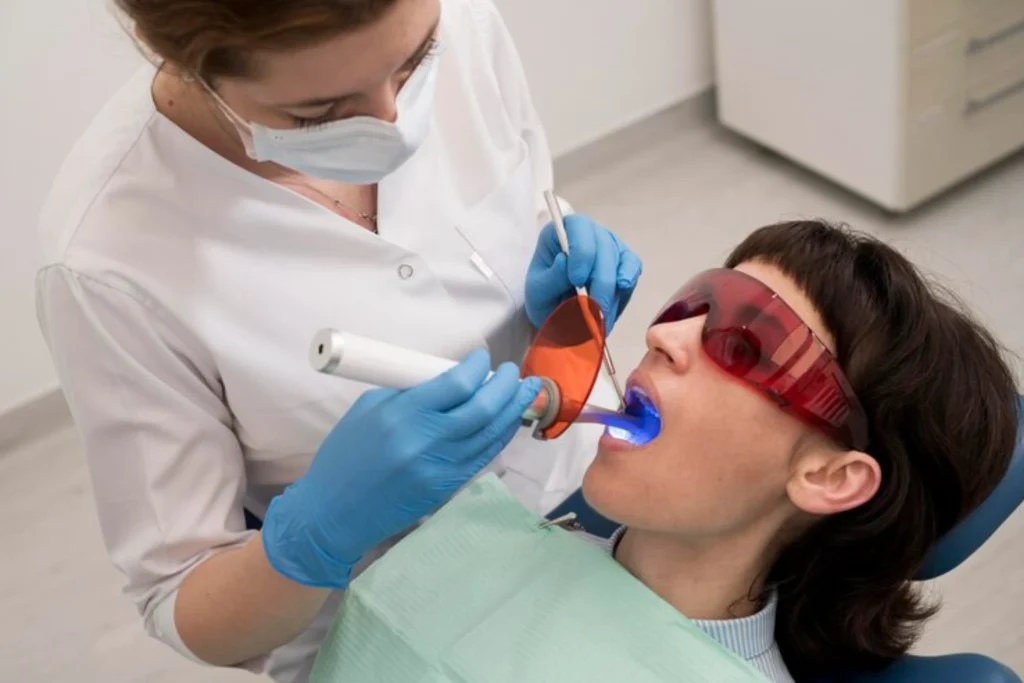
Patients should delay eating until normal sensation has returned to reduce the risk of injury to the cheek, lip or tongue. Mild tenderness may develop as the anaesthetic wears off and is generally recognised as part of the expected recovery following root canal treatment in Ipswich. Repeated biting on the treated tooth should be avoided, as this may place unnecessary pressure on the surrounding tissues and increase discomfort.
When a temporary filling has been placed, the tooth should be protected until the permanent restoration is completed. Hard, sticky or chewy foods may loosen, fracture or dislodge the temporary material, reducing the protection provided to the treated tooth. The dental clinic should be contacted promptly if the filling becomes unstable, breaks or falls out, so the tooth can be examined and resealed where necessary.
Factors That Impact Healing and Comfort
Recovery after root canal treatment depends on the extent of infection, the position of the tooth, the number and shape of the canals and whether treatment is completed over one or several appointments. Molars with narrow or curved canals may require a longer recovery period than front teeth with simpler canal anatomy. Where anxiety is significant, happy gas may be considered to support comfort during treatment without affecting healing.
Patients should avoid placing excessive pressure on the treated tooth, particularly while a temporary filling is present. Night-time grinding, an uneven bite, previous dental work, cracks or substantial loss of tooth structure may contribute to ongoing discomfort and influence the final restoration plan. If the treated tooth feels higher than nearby teeth or remains painful when biting, a dental review should be arranged.
Root Canal Aftercare Essentials
Aftercare following root canal treatment is generally straightforward, but it remains important for protecting the tooth while the surrounding tissues recover. Patients are usually advised to:
- Keep food soft until numbness has fully resolved
- Avoid chewing on the treated side initially
- Continue brushing gently around the treated area
- Take medication only as directed by the dentist or pharmacist
- Attend scheduled follow-up appointments for the final restoration
Final Guidance
Root canal discomfort varies according to the condition of the tooth and the extent of infection. Local anaesthetic and appropriate aftercare help keep symptoms manageable, while a personalised assessment explains what to expect before and after treatment.
Twilight Dental provides root canal assessments for patients in Brassall, Ipswich and surrounding suburbs. The dental team can discuss recovery, restoration needs and suitable comfort options for anxious patients. This information does not replace diagnosis or advice from a dentist. Severe pain, facial swelling, fever or rapidly worsening symptoms require prompt professional care.