

A clear aligner may seem simple to manage, but daily routines such as school sport, extended breaks or leaving a tray beside a coffee cup can disrupt wear. Missed hours accumulate, potentially slowing treatment even though trays still fit.
Invisible braces can be effective for many teenagers and adults. Outcomes depend on the orthodontic issue, treatment plan and consistent wear. A dental examination prior to treatment identifies decay, gum irritation or developing crowding, ensuring movement is more predictable once the mouth is in good health.
How Dental Checkups Support Invisible Braces
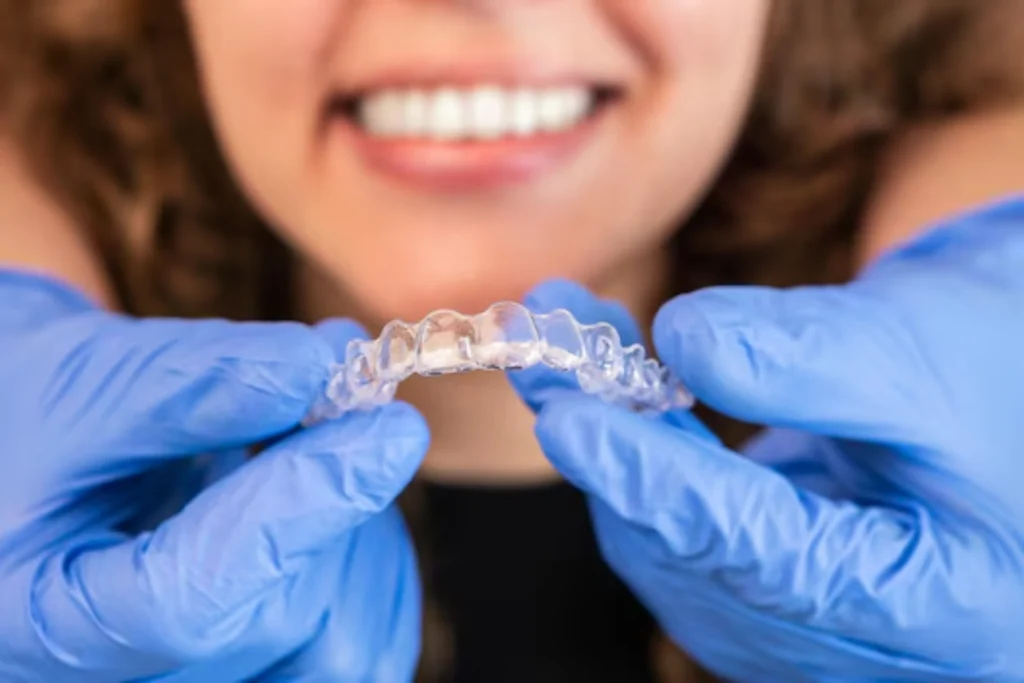
Invisible braces or clear aligners, are removable trays that move teeth through planned stages. Each tray applies controlled pressure, gradually guiding teeth into position. Tooth-coloured attachments may support treatment while preserving a discreet appearance.
Unlike fixed braces, which remain bonded to teeth, removable aligners require consistent wear and adherence to the prescribed schedule. A regular dental checkup helps monitor oral health. Patients searching “braces for teeth invisible” mean clear aligner systems supported by accurate assessment and realistic planning.
Invisible Braces Effectiveness for Suitable Cases

Clear aligners can achieve effective results for suitable teenage and adult patients, although outcomes become less predictable as tooth movement increases in complexity. Fixed braces may be recommended as an alternative or incorporated into part of the treatment, with predictability varying according to the type of movement required. Diagnostic imaging alone does not determine suitability, as bone support, gum health, jaw growth and individual tooth position all inform the clinical recommendation.
Dental Problems Invisible Braces Can Treat
Suitable cases may include:
- Mild to moderate crowding
- Small spaces between teeth
- Certain overbite or crossbite concerns
- Teeth that have shifted following earlier treatment
Why Routine Matters More Than Age
A conscientious teenager may adhere to aligner instructions more reliably than a busy adult, while an organised adult may demonstrate greater consistency than a teenager who removes the trays frequently. Age alone does not determine treatment suitability. Clear aligners are generally required to remain in place for approximately 20 to 22 hours per day, removed only for meals, most beverages and cleaning, meaning a proportion of the outcome depends on patient compliance.
| Daily issue | Teen concern | Adult concern |
| Wear time | School, sport and forgotten trays | Meetings, meals and frequent coffee |
| Cleaning | Rushed brushing after lunch | Aligners replaced before teeth are clean |
| Storage | Trays lost in bags or napkins | Trays left at work or while travelling |
| Follow-up | Family support may be required | Appointments must fit work commitments |
What Causes Invisible Braces to Fail?
Repeated wear lapses can delay tooth movement, affect tray fit and extend the treatment timeline. Moving to a tighter set does not safely make up for lost time. Eating with aligners in place may stain or damage the trays, while sugary drinks trapped beneath them can increase the teeth’s exposure to sugar and acid. Bleeding gums or signs of gum disease should be assessed promptly, as mild inflammation requires attention before or during orthodontic treatment. A tray that no longer fits should receive prompt professional review rather than being forced into position.
When Fixed Braces Are the Better Option
Clear aligners are not suitable for every orthodontic case. Fixed dental braces apply continuous pressure without depending on patient compliance, making them appropriate for complex rotations, substantial bite correction or treatment requiring precise control of several tooth movements. For teenagers likely to misplace removable aligners, fixed braces may provide a more dependable option when predictable tooth movement takes priority over appearance during treatment.
How Invisible Braces Treatment Begins
A thorough assessment examines the teeth, gums, bite and supporting bone structure, using digital scans or impressions to map planned tooth movement, with X-rays taken where clinically indicated. Existing fillings, decay or gum inflammation may need treatment before fitting the first set of Invisalign teeth aligners. Ongoing reviews are equally important, allowing a dentist to assess tray fit, attachment condition, gum response and progress against the digital treatment plan, while addressing minor issues before they affect later aligner sets.
Final Guidance
Invisible braces can be an effective treatment option for teenagers and adults when the case is clinically suitable and the prescribed treatment plan is followed carefully. At its Brassall clinic, Twilight Dental provides Clear Aligner Therapy alongside fixed braces for patients across the Ipswich area. A comprehensive individual assessment is the most reliable way to determine whether clear aligners or fixed braces are the more appropriate option for each individual patient.